Can I Move My Bird’s Cage Near an Open Window in Spring?
Yes, you can move your bird’s cage near an open window in spring but only with care. Fresh air and natural light can benefit your bird, but draughts, temperature swings, fumes and outdoor hazards can quickly cause stress or illness. Safe positioning and supervision are essential.
At Smith’s Pets, we often advise bird owners to think carefully before changing cage placement, especially during seasonal transitions.
Is fresh spring air good for pet birds?
In moderation, yes.
Benefits of fresh air and natural light can include:
Improved mood and stimulation
Support for natural day–night rhythms
Access to indirect sunlight (important for wellbeing)
Gentle airflow that prevents stuffiness
However, pet birds are sensitive to sudden environmental changes. What feels mild to us can feel extreme to them.
According to the RSPCA, birds should be kept in a stable, draught-free environment away from sudden temperature shifts.
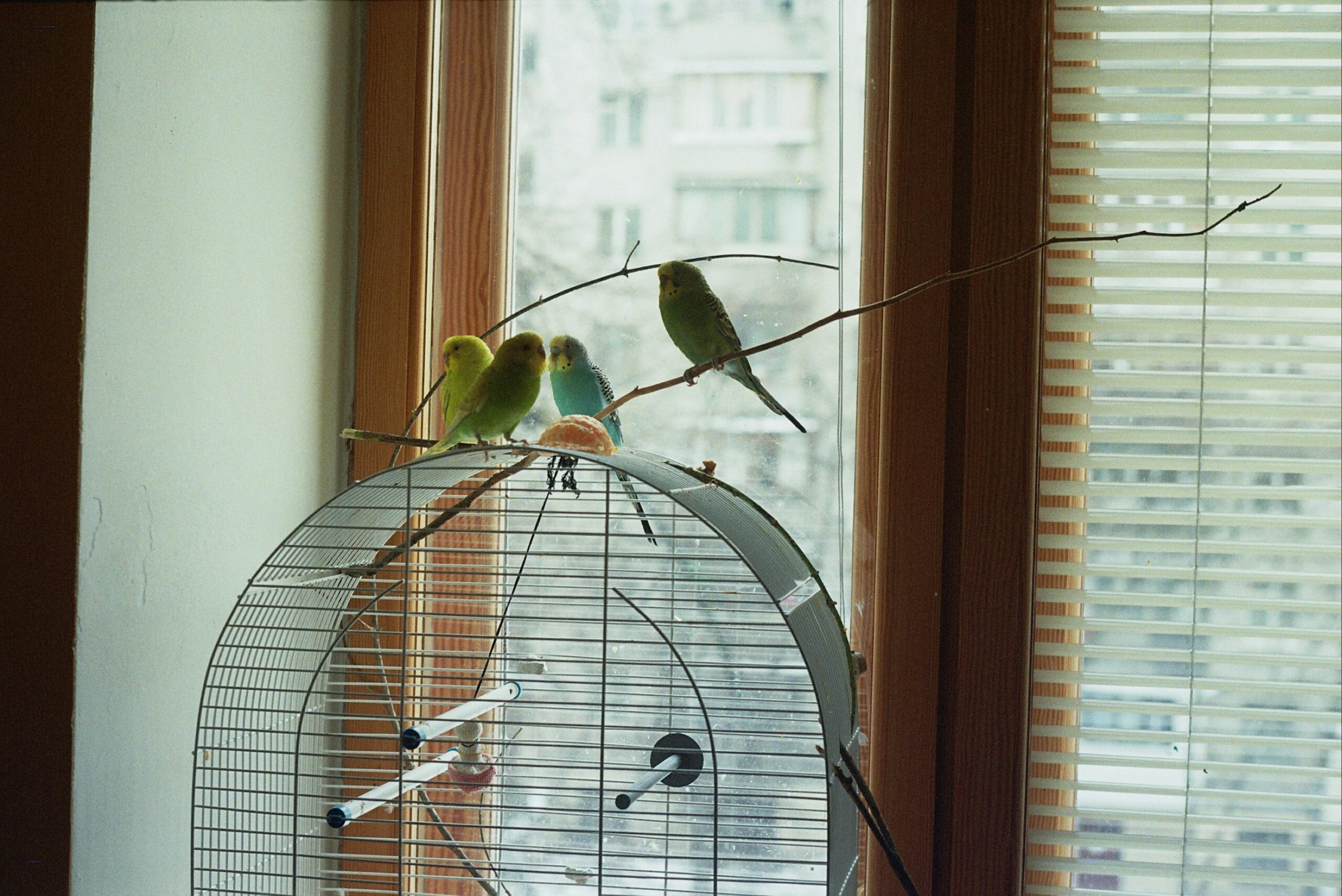
Is sunlight through a window safe for birds?
Indirect sunlight is beneficial. Direct, unfiltered sun through glass can be dangerous.
Glass magnifies heat and can quickly overheat a cage, even in mild spring weather.
To keep it safe:
Provide shaded areas inside the cage
Avoid full midday sun exposure
Monitor room temperature (ideally 18–24°C for most common pet birds)
Never leave your bird unattended in strong direct sun
Can spring pollen affect pet birds?
Yes, it can.
Some birds may show mild irritation from increased pollen levels, including:
Sneezing
Watery eyes
Slight nasal discharge
If your bird is sensitive, keeping windows closed during high-pollen days may help.
What are the risks of placing a bird cage near an open window?
Spring weather in the UK can be unpredictable. An open window may expose your bird to:
Cold draughts, especially in early mornings and evenings
Sudden temperature drops
Rain blowing in
Outdoor pollutants (traffic fumes, garden sprays)
Airborne pollen
Stress from loud outdoor noises
Predatory birds visible outside (which can frighten indoor birds)
Even brief chilling can lead to respiratory illness.
How far from an open window should a bird cage be?
As a general guide:
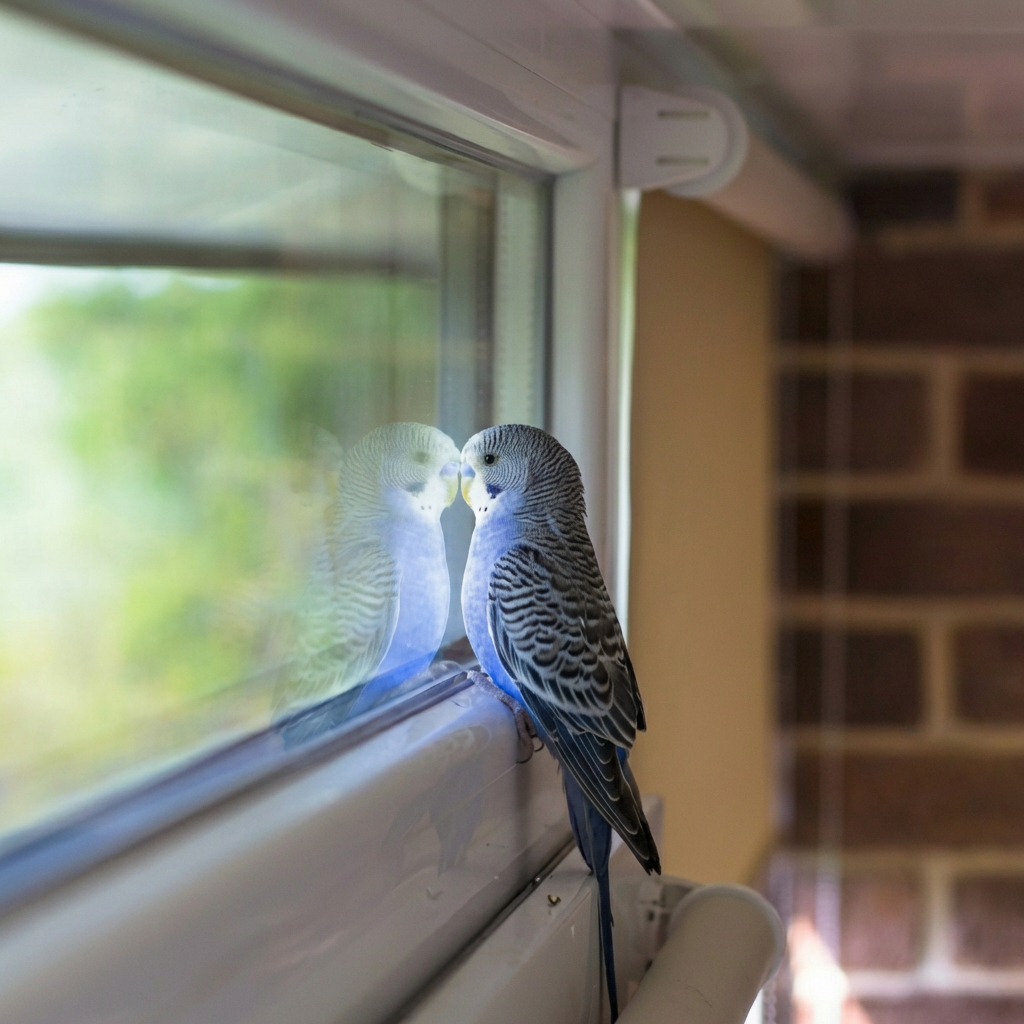
Keep the cage at least a metre away from an open window.
Avoid placing it directly in the path of airflow.
Never position the cage where curtains may blow into it.
Make sure part of the cage remains shaded.
If you can feel a noticeable breeze standing by the cage, it’s too strong for your bird.
What is the safest way to give my bird fresh air?
If you want to make the most of spring safely:
Option 1: Open the window slightly in another part of the room
Keeps airflow gentle
Reduces direct draught exposure
Option 2: Supervised outdoor time in a secure travel cage
Only in mild, calm weather
Always shaded
Never left unattended
Option 3: Improve indoor ventilation
Open windows briefly while the cage is covered
Move the cage temporarily during airing
Consistency is more important than constant fresh air. Birds feel safest with stable surroundings.
When should I contact a vet?
Contact your vet promptly if you notice:
Fluffed-up feathers for long periods
Laboured or noisy breathing
Tail bobbing when breathing
Lethargy
Loss of appetite
Discharge from eyes or nostrils
Birds hide illness well, so early changes matter. Respiratory issues can progress quickly
Can birds catch a cold from a draught?
They don’t catch colds like humans, but cold draughts can weaken their immune system and trigger respiratory infections
Is it okay to leave a window open all day in spring?
Only if the cage is well away from airflow and temperatures remain stable. Avoid chilly mornings and evenings
Should I move my bird’s cage seasonally
Not usually. Birds thrive on routine. If you do move it, make changes gradually and monitor behaviour.
Visit us in-store or send us a message, we're always happy to help!