What Temperature Is Safe for Small Pets in Spring?
Small pets, such as rabbits, guinea pigs, hamsters, and gerbils, are sensitive to temperature changes, especially in spring when weather can fluctuate daily. Generally, these animals are most comfortable between 18°C and 22°C, but individual species and health can affect tolerance. Providing consistent warmth, shelter, and monitoring their behaviour helps prevent stress and illness
Why is temperature important for small pets?
Small pets cannot regulate their body temperature as effectively as larger animals. Sudden cold or heat can lead to:
Stress and discomfort
Digestive issues
Respiratory infections
Hypothermia or heatstroke in extreme cases
Maintaining a stable environment helps them stay healthy and active.
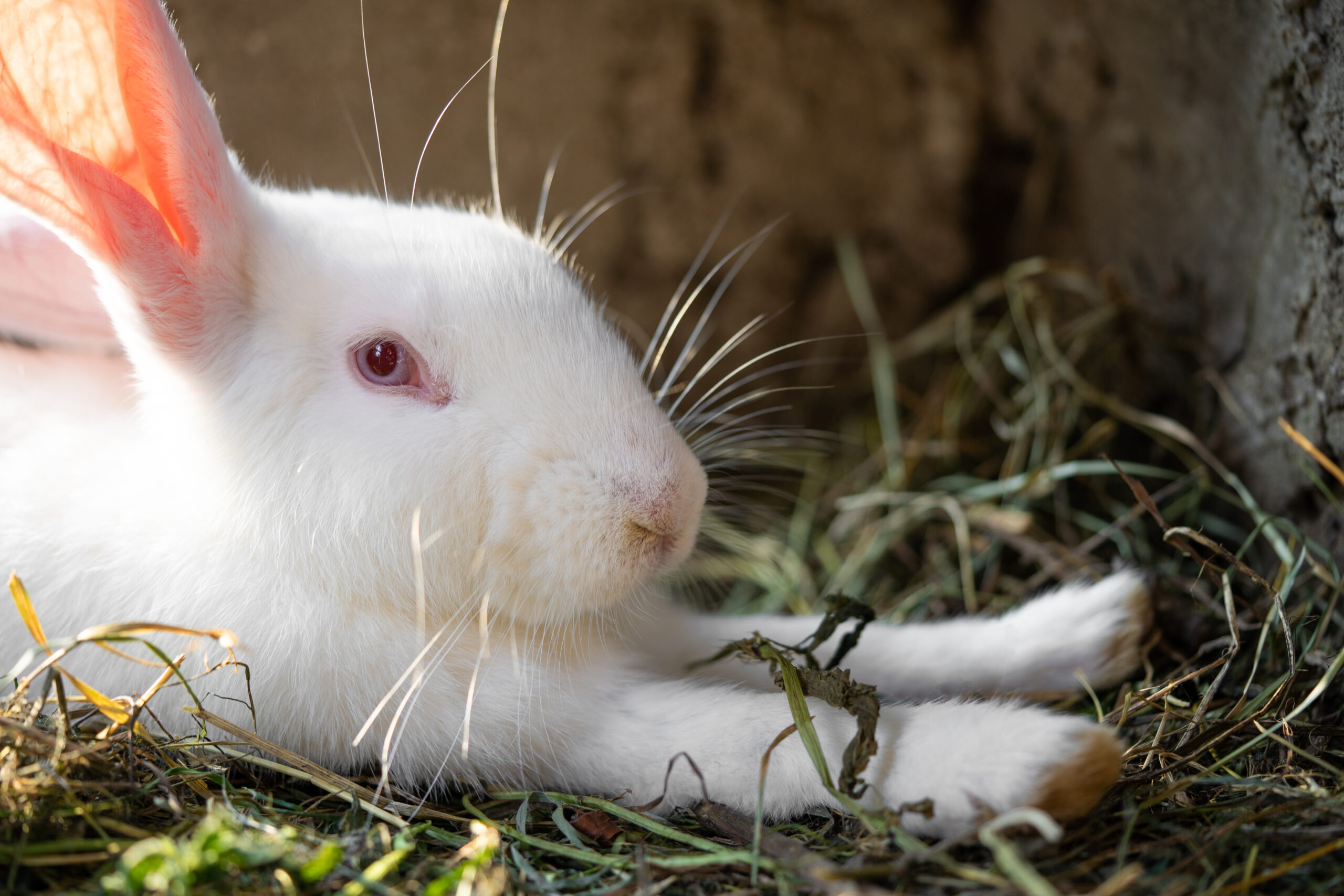
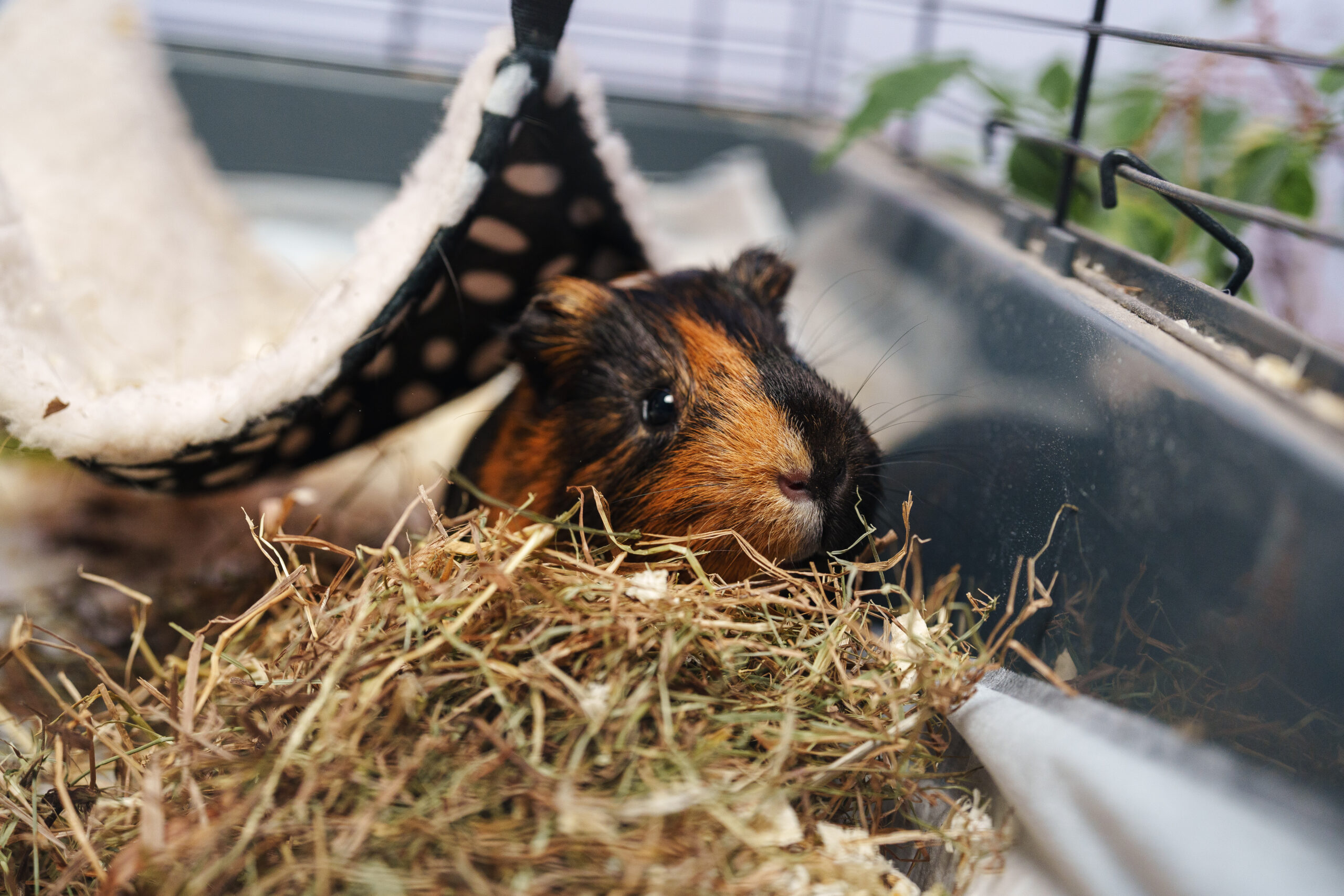
What is the ideal temperature range for common small pets?
Rabbits & guinea pigs: 18–22°C, with draft-free shelters and cozy bedding
Hamsters, gerbils, mice: 20–24°C, avoiding direct sunlight or cold floors
Chinchillas: 16–22°C, low humidity and cool airflow to prevent overheating
Tip: Always provide hiding spots and extra bedding to allow pets to self-regulate their comfort.
How can I keep my pets comfortable in spring?
Keep cages or hutches indoors or sheltered from wind, rain, and sun
Provide extra bedding such as hay or fleece
Check that cage flooring is insulated, especially for rabbits and guinea pigs
Avoid placing pets near radiators or draughty windows
Monitor daily temperature changes and adjust bedding or shelter accordingly
When should I contact a vet?
Contact your vet promptly if you notice:
Signs of flystrike (lethargy, maggots, strong odour — especially in rabbits)
Persistent sneezing or breathing changes
Red or sore skin on feet
Hair loss around the rear
Reduced appetite
Diarrhoea
Warm weather can allow problems to escalate quickly, particularly in rabbits and guinea pigs.
Signs my pet is too cold or too hot
Too cold: shivering, huddling, reluctance to move, puffed-up fur
Too hot: panting, lethargy, wet nose or drooling, spreading out to cool surfaces
Observing these behaviours early helps prevent serious health problems.
Can small pets go outside in spring?
Only if temperatures remain stable within their safe range and they have sheltered areas. Introduce outdoor conditions gradually
Is direct sunlight safe for small pets?
Avoid prolonged sun exposure. Small pets can overheat quickly, even in mild spring weather.
How can I monitor indoor temperatures easily?
Use a digital thermometer near the cage or hutch and check daily, especially in rooms affected by sunlight or drafts.
Visit us in-store or send us a message, we're always happy to help!