How Can I Help Garden Wildlife Without Putting My Pets at Risk?
You can help garden wildlife and keep your pets safe by managing food carefully, supervising outdoor time, and avoiding hazards such as toxins, traps and harmful plants. Simple changes — like raised feeders, secure fencing and pet-safe gardening — make a big difference. With a bit of planning, wildlife and pets can share your garden safely
How can I feed garden birds safely if I have pets?
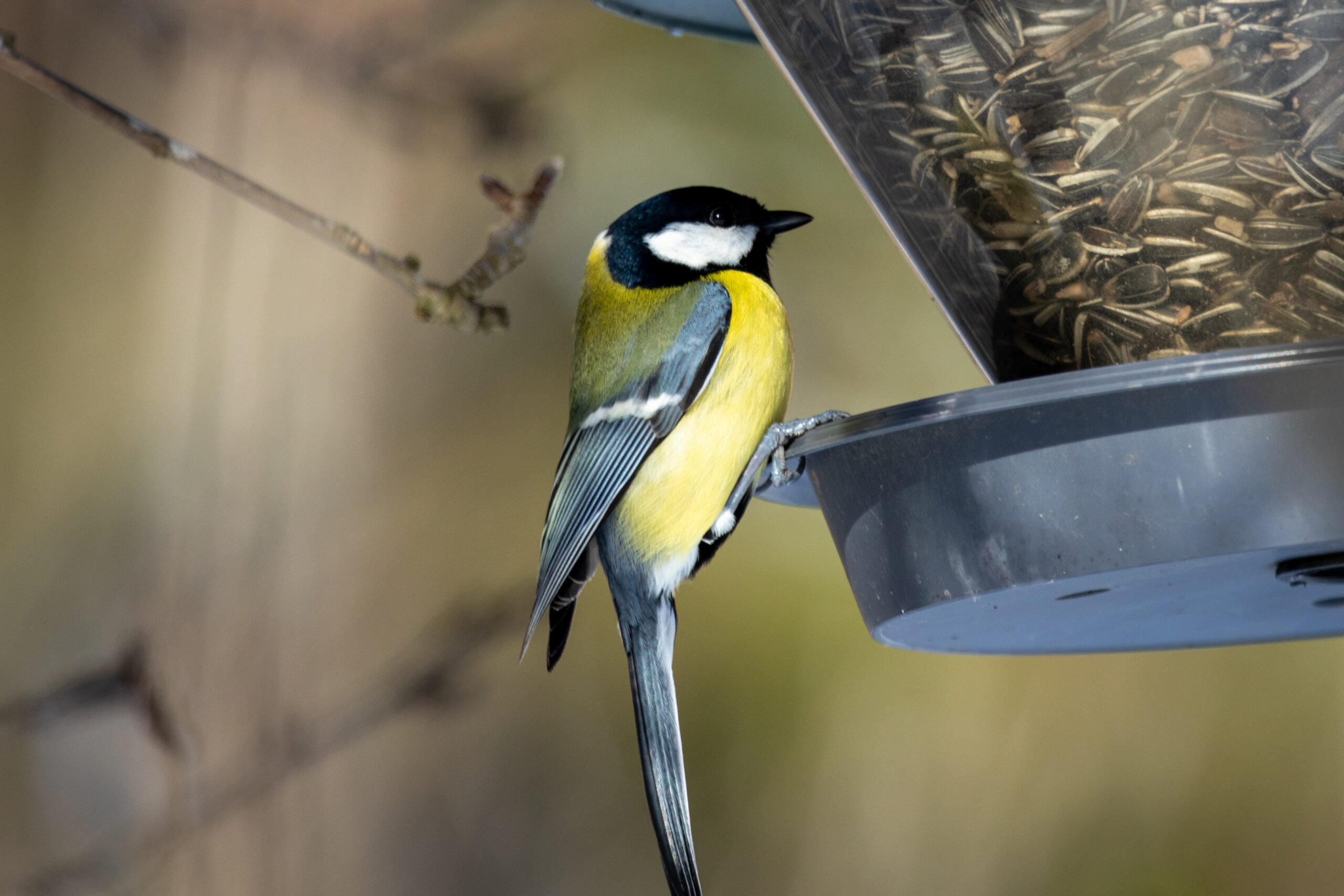
Feeding birds is one of the safest ways to support wildlife — as long as feeders are positioned correctly.
Best practice:
Use raised bird tables or hanging feeders out of reach of dogs.
Position feeders away from fences or sheds cats could use as launch points.
Clean feeders and bird baths weekly to reduce disease spread.
Clear fallen seed daily to discourage rodents.
Avoid feeding wildlife directly on the ground if you have curious pets.
Why can helping wildlife sometimes put pets at risk?
Encouraging birds, hedgehogs and other wildlife into your garden is positive — but it can create:
Disease risks from droppings or contaminated water
Parasites such as fleas and ticks
Conflict or injury if pets chase wildlife
Toxic exposure from slug pellets or unsuitable foods
Organisations such as the RSPCA and PDSA regularly advise pet owners to supervise pets outdoors and use wildlife-safe, pet-safe products wherever possible.
How do I stop my cat from hunting wildlife?
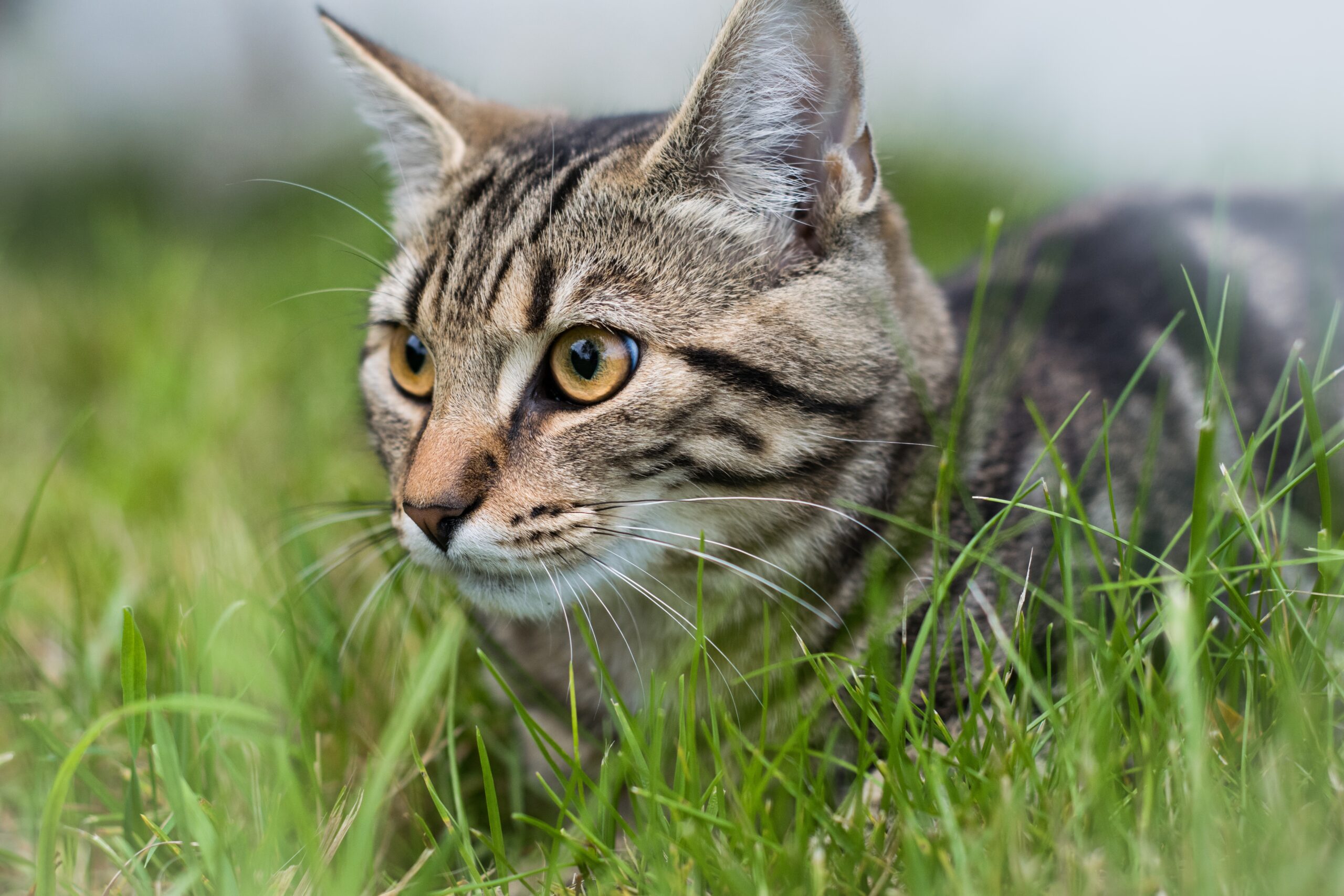
Cats are natural hunters, but you can reduce risk:
Fit a quick-release collar with a bell (never a fixed collar).
Keep cats indoors during peak wildlife activity (dawn and dusk).
Create indoor enrichment — climbing trees, puzzle feeders, interactive toys.
Consider a secure “catio” or enclosed run.
The Blue Cross recommends enrichment and controlled outdoor access to help reduce hunting behaviour.

Is it safe to feed hedgehogs if I have a dog?
It can be, but you’ll need to manage access.
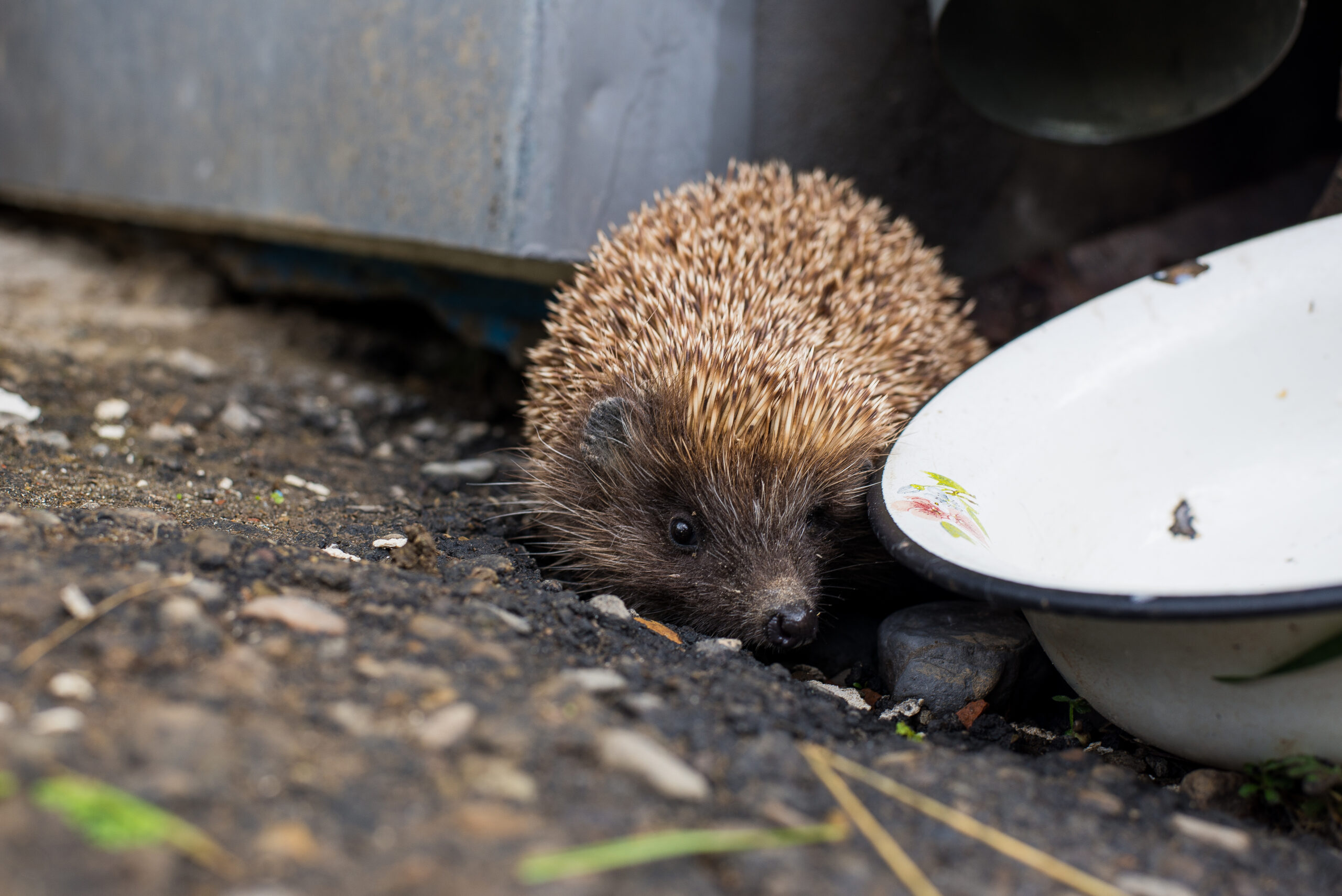
Place hedgehog food in a purpose-built feeding box with a small entrance.
Feed after dark when dogs are indoors.
Avoid milk and bread — offer specialist hedgehog food or meaty cat food instead.
Supervise dogs in the garden at night if hedgehogs are active in your area.
What garden products are dangerous to pets?
Some wildlife-friendly gardening choices can still pose risks.
Avoid or use extreme caution with:
Slug pellets containing metaldehyde
Rat poison and bait stations
Cocoa mulch
Certain plants (e.g. foxglove, lilies)
Chemical pond treatments
Choose pet-safe and wildlife-safe alternatives, and store all garden products securely.
Can wildlife spread disease to pets?
Yes, although the risk is usually low with sensible precautions.
Possible concerns include:
Leptospirosis (from rodents)
Ticks (from hedgehogs, deer and birds)
Salmonella (from contaminated bird feeders)
Reduce risk by:
Keeping vaccinations up to date
Using regular parasite prevention
Cleaning outdoor water bowls daily
Washing hands after handling feeders
When should I contact a vet?
Contact your vet immediately if your pet:
Eats slug pellets, rat poison or unknown substances
Has sudden vomiting or diarrhoea after outdoor access
Shows signs of lethargy, tremors or seizures
Develops a persistent cough after contact with wildlife
Has multiple tick bites or swelling around a bite
Early treatment is always safer than waiting to see if symptoms improve
Can my dog catch fleas from hedgehogs?
Yes, it’s possible. Use regular flea prevention and avoid letting your dog investigate hedgehog nests or feeding areas
Is it cruel to stop my cat hunting?
No. Providing enrichment and controlled outdoor access keeps wildlife safer and reduces injury risks to your cat.
Should I stop feeding wildlife if I have pets
Not necessarily. With raised feeders, supervision and good hygiene, you can safely support wildlife and protect your pets at the same time.
At Smith’s Pets, we always recommend a balanced approach — support local wildlife thoughtfully, supervise outdoor time, and choose products that protect every animal in your garden.