
All About Canaries
Canaries are one of the most rewarding pet birds you can keep. Known for their beautiful song and calm nature, they’re ideal for owners who want a bird to enjoy observing rather than constant handling.
But like all pets, they need the right setup and care to truly thrive, not just survive.
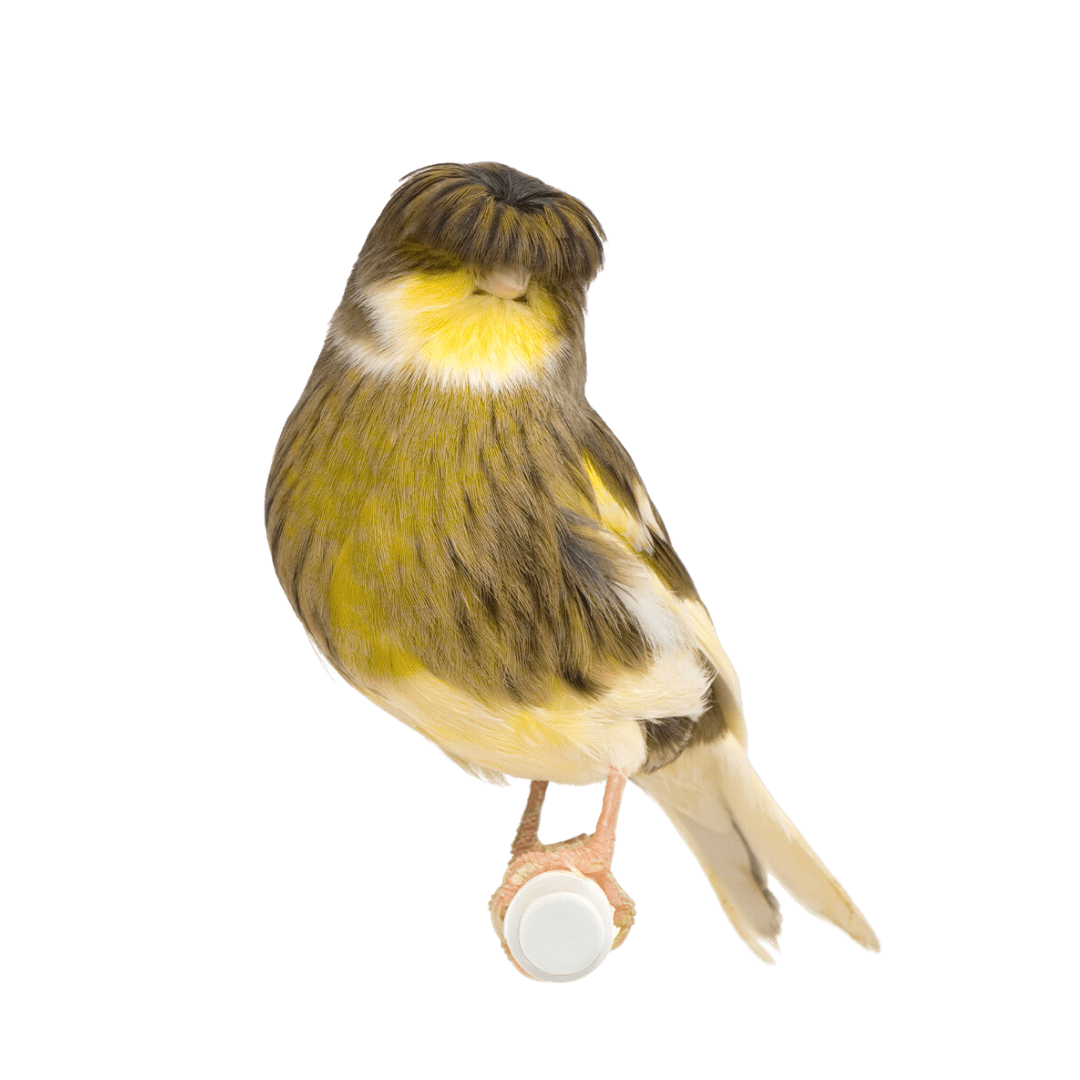
Is a canary Right for You?
Budgies are ideal for both first-time bird owners and experienced bird lovers. They’re relatively easy to care for but still thrive on regular interaction, mental stimulation, and safe supervised out-of-cage time. With the right environment and attention, they can become affectionate and engaging members of your household.
Canary Cage
Canaries are active flyers and need room to move side-to-side rather than just hop between perches. The minimum recommended size for one canary is around 45–60 cm wide, but wider cages are always better. Flight cages are ideal, especially if you want to encourage natural movement and activity.
Diet & Nutrition
A balanced diet is the foundation of good canary care:
- A high-quality seed mix or pellets designed for canaries
- Fresh vegetables and some fruit, such as leafy greens, broccoli, and small amounts of apple (no seeds)
- Fresh water daily is essential
Avoid harmful foods such as chocolate, avocado, caffeine, alcohol, and anything high in salt or sugar.
These foods are toxic and can cause serious health issues or even be fatal to canaries.
Enrichment & Exercise
Canaries are generally independent birds and do not require the same level of social interaction as other birds. Rather than handling, canaries thrive when given space, a calm environment, and a consistent routine.
They are most well-known for their beautiful singing, particularly males and enjoy observing their surroundings, flying, and engaging in natural behaviours rather than direct interaction.

Frequently Asked Questions
about Budgies
1. Do canaries like to be handled?
Canaries are not typically hands-on pets. Most prefer to be observed rather than handled and can become stressed with too much interaction. They’re best enjoyed for their behaviour and song.
2. Do canaries need to live in pairs?
No, canaries are usually happiest on their own. Males in particular can become territorial, so housing them together often leads to stress or conflict.
3. Why is my canary not singing?
Only male canaries sing regularly. If a male stops singing, it could be due to moulting, stress, seasonal changes, or illness. It’s worth monitoring for any other changes in behaviour.
4. What do canaries eat?
Canaries need a balanced diet of high-quality seed or pellets, along with fresh greens and occasional fruit. Clean water should always be available, and calcium sources like cuttlefish bone are important.
5. How long do canaries live?
With proper care, canaries typically live between 8–12 years. A good diet, clean environment, and low-stress setup all contribute to a longer, healthier life.