
All About Conures
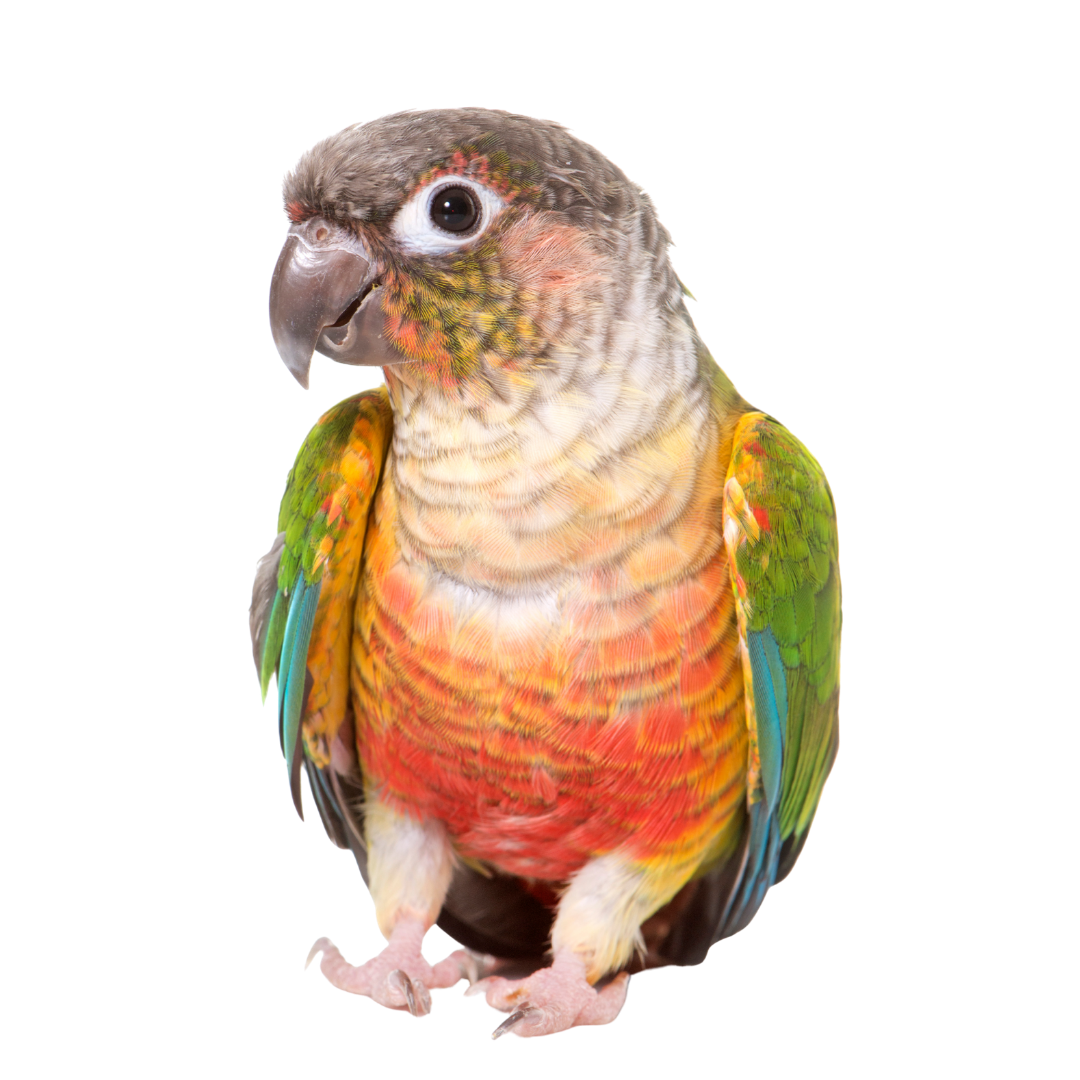
Conures are vibrant, intelligent companion birds known for their playful personalities and strong bonds with their owners. Full of energy and character, they’re ideal for people who want an interactive, engaging pet rather than one that simply sits and sings.
But like all parrots, they need the right environment, enrichment, and daily interaction to truly thrive, not just get by.
Is a conure Right for You?
Canary Cage
Diet & Nutrition
Enrichment & Exercise
Conures are highly social birds that thrive on interaction and companionship. Unlike more independent species, they require regular handling, attention, and engagement to stay happy and well-adjusted.
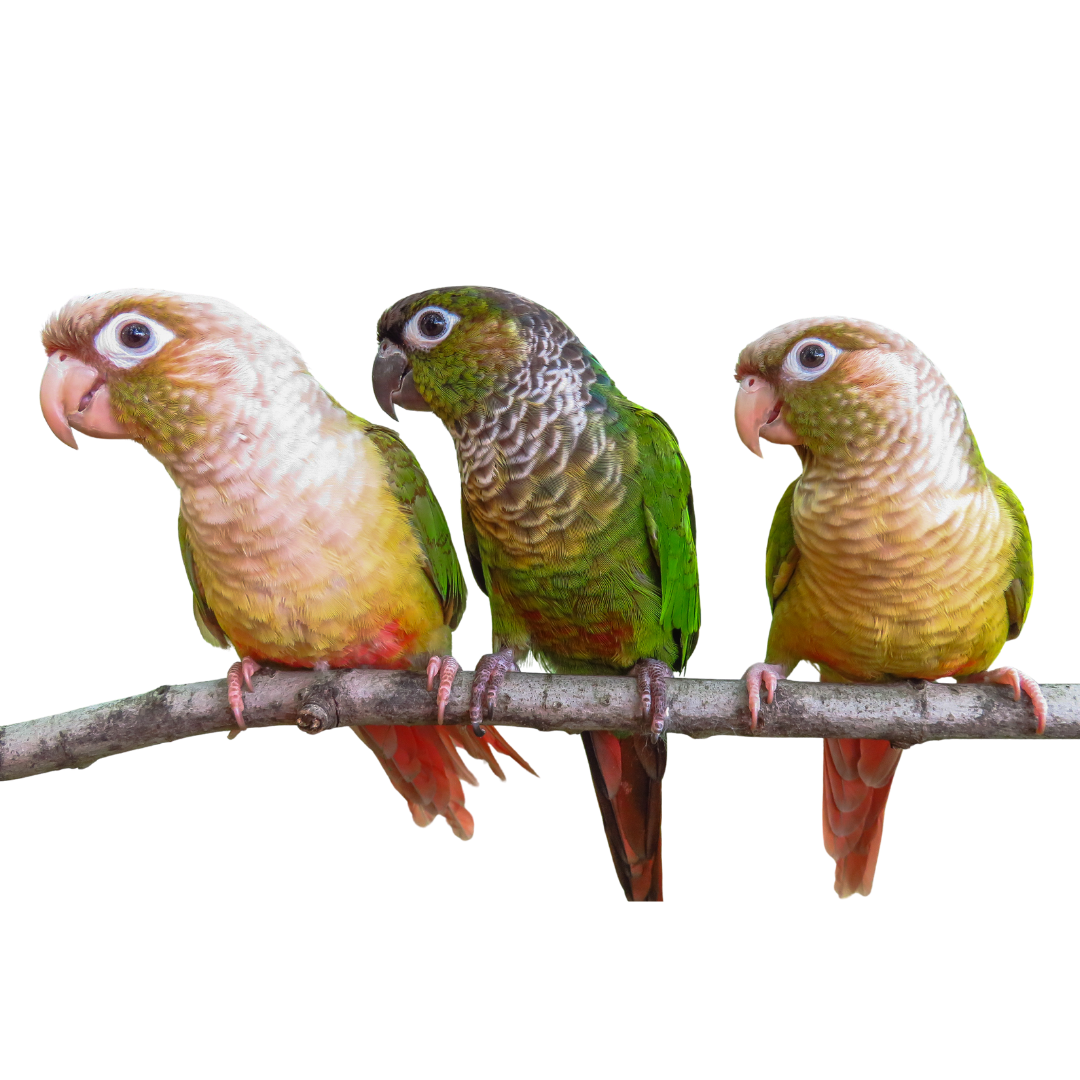
They are known for their playful, curious nature and strong personalities. Conures love to explore, climb, vocalise, and be involved in daily life, often forming close bonds with their owners and actively seeking out interaction and stimulation.
Frequently Asked Questions
about Budgies
1. How long do conures live?
Most conures live between 15–30 years depending on the species and quality of care. This makes them a long-term commitment requiring consistent attention and proper husbandry.
2. Are conures noisy?
Yes. Conures are known for being vocal and can be quite loud, especially at certain times of day. While some species are quieter than others, they are generally not suited to noise-sensitive households.
3. Can conures be kept alone?
They can be kept alone if they receive plenty of daily interaction from their owner. Without this, they can become bored, stressed, or develop behavioural issues such as screaming or feather plucking.
4. Do conures bite?
They can nip or bite, particularly if they are frightened, overstimulated, or poorly socialised. With proper handling, training, and understanding of their behaviour, this can usually be minimised.
5. Do conures need toys and enrichment?
Absolutely. Conures are intelligent and require constant mental stimulation. A variety of toys, foraging opportunities, and regular out-of-cage time are essential to prevent boredom and support their wellbeing.