
Why is my bird moulting so much?
Most pet birds naturally moult once or twice a year, gradually replacing old feathers with new ones. During this time you may notice extra feathers in the cage and a slightly scruffier appearance. While moulting can look dramatic, steady feather loss with new growth coming through is usually a normal part of your bird’s life cycle.
What Is Moulting in Birds?
Moulting is the natural process where birds shed old or damaged feathers and grow new ones. Feathers wear out over time, so moulting allows birds to maintain healthy plumage for insulation, flight, and protection.
Most pet birds such as cockatiels, budgies, and parrots will moult once or twice a year, often linked to seasonal changes or daylight hours.
During a moult you may notice:
-
Feathers collecting in the cage or around the room
-
Small pin feathers (new feather growth) appearing
-
Your bird looking slightly untidy or thinner in plumage
-
Increased preening
This process usually happens gradually rather than all at once.
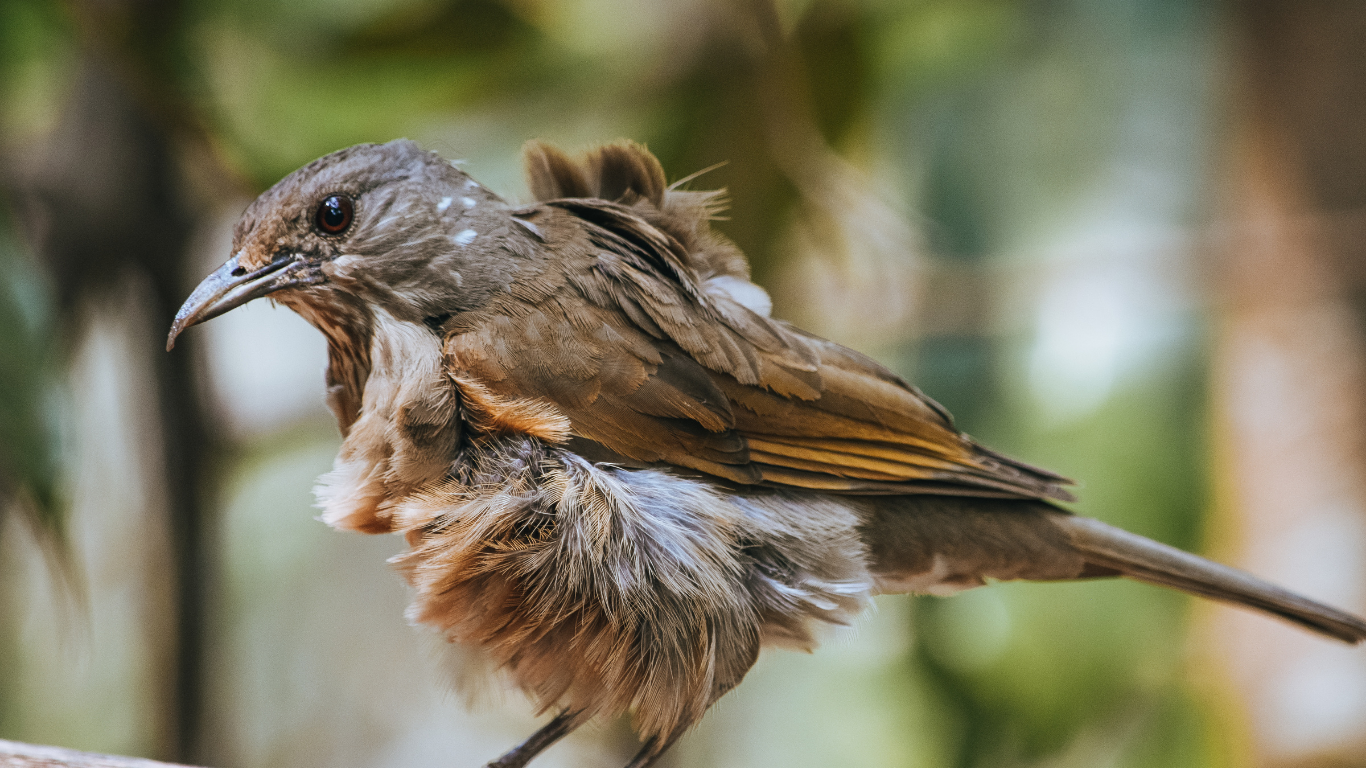
How Much Feather Loss Is Normal?
Normal moulting should appear slow and balanced, with feathers being replaced as they fall out. Signs of a healthy moult include:
-
Feather loss spread evenly across the body
-
New pin feathers appearing as old ones drop
-
No bare skin patches
-
Normal behaviour and appetite
Most birds continue to behave normally during a moult, although some may be slightly quieter or more sensitive due to new feather growth.
How Can I Support My Bird During a Moult?
Growing new feathers requires extra energy and nutrients. Good care during this period helps your bird stay comfortable and healthy.
Helpful steps include:
Provide a balanced diet
Birds need additional protein and nutrients to grow new feathers.
Consider offering:
-
High-quality bird pellets or seed mix
-
Fresh vegetables such as leafy greens, carrots, and peppers
-
Small amounts of fruit
-
Protein-rich foods such as cooked egg (in moderation)
Encourage bathing
Many birds enjoy bathing during a moult. Water can help soften feather sheaths and reduce irritation.
Options include:
-
A shallow bird bath
-
Light misting with clean water
Reduce stress
Birds may feel slightly uncomfortable during feather growth.
Try to:
-
Keep their routine consistent
-
Avoid unnecessary handling if they seem sensitive
-
Maintain a calm environment
Check cage hygiene
Feathers and feather dust increase during moulting, so regular cage cleaning helps maintain good hygiene.
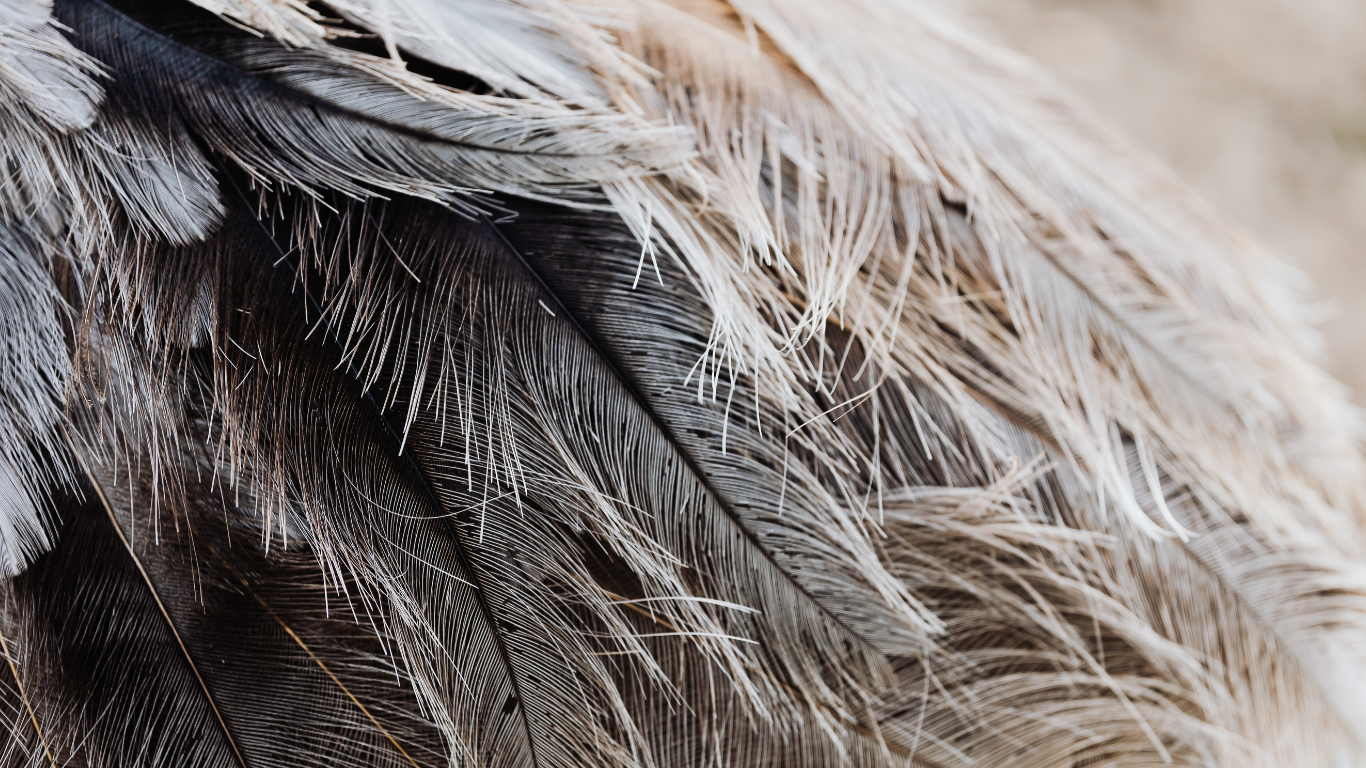
What Do New Feathers Look Like?
New feathers appear as pin feathers, which look like small spikes covered in a protective sheath.
You may notice:
-
Thin, tube-like feathers emerging from the skin
-
A slightly spiky appearance around the head or neck
-
Your bird gently preening these new feathers
Avoid touching pin feathers unless your bird is comfortable with it, as they can be sensitive.
When Should I Contact a Vet?
Although moulting is normal, unusual feather loss may sometimes indicate a health issue.
Speak to a vet if you notice:
-
Large bald patches of skin
-
Feathers falling out without new ones growing back
-
Excessive scratching or skin irritation
-
Changes in appetite or behaviour
-
Broken or damaged feathers repeatedly appearing
Sudden heavy feather loss or behavioural changes should always be checked by a vet to rule out illness or parasites.
The Blue Cross also advises seeking veterinary advice if feather loss appears abnormal or your bird seems unwell.
Why Do Birds Sometimes Moult More Heavily?
Some birds appear to lose more feathers during certain moults. This can happen for several reasons:
Seasonal changes
Birds often moult when daylight hours change.
Age
Young birds may go through their first full moult, which can appear heavier.
Indoor environments
Artificial lighting and stable indoor temperatures can affect moulting cycles.
Feather wear
Birds that are very active may replace damaged feathers more quickly.
Even when moulting seems heavy, as long as new feathers are growing in, it is usually normal.
How long does bird moulting last?
Most moults last several weeks to a few months, depending on the species and individual bird. Feather loss should remain gradual during this time.
Do birds feel uncomfortable when moulting?
Some birds can feel slightly itchy or sensitive while new feathers grow in. Bathing opportunities and good nutrition can help keep them comfortable.
Should I change my bird’s diet during a moult?
Yes, slightly increasing protein and fresh foods can help support feather growth. A balanced diet is especially important during moulting periods.
Visit us in-store or send us a message, we're always happy to help!