
Why Is My Dog So Itchy in Spring?
Many dogs become itchy during spring because of seasonal allergies triggered by pollen, grass, and mould spores. As plants begin to grow and release pollen, dogs may react through their skin rather than sneezing like humans do. If your dog suddenly starts scratching, licking their paws, or rubbing their face more than usual, seasonal allergies could be the cause.
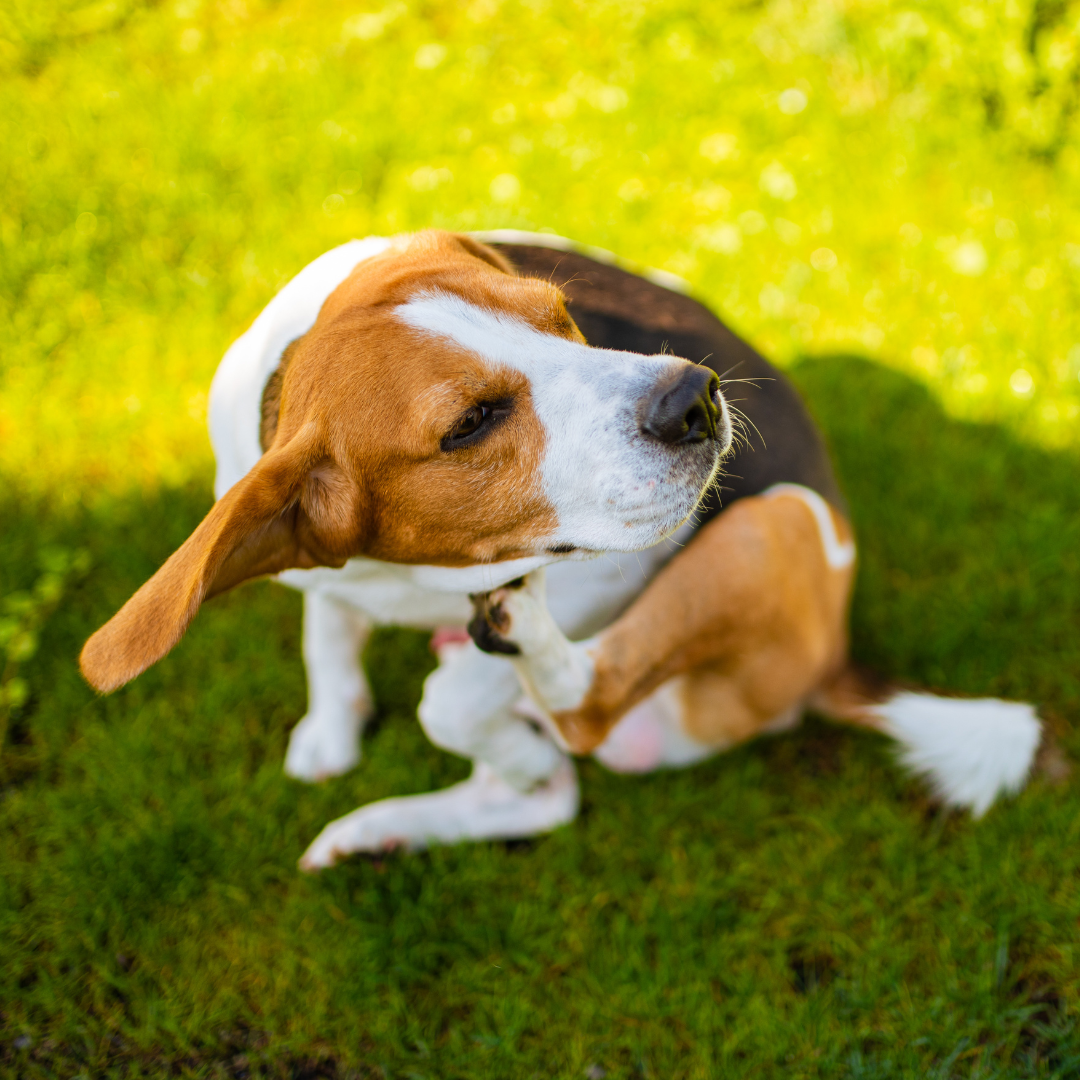
What Causes Dogs to Be Itchy in Spring?
Spring brings a big change in the environment. Trees, flowers, and grasses release pollen into the air, while warmer temperatures also encourage mould growth outdoors.
Dogs can be sensitive to these allergens, which may trigger allergic dermatitis an allergic reaction affecting the skin.
Common spring allergens include:
-
Tree pollen
-
Grass pollen
-
Weed pollen
-
Mould spores in damp soil or leaf piles
-
Dust stirred up by dry weather
Unlike humans, dogs usually show allergy symptoms through their skin rather than respiratory symptoms.
According to the UK pet charity the PDSA, environmental allergies are one of the most common causes of itching in dogs.
What Are the Signs of Seasonal Allergies in Dogs?
Allergic reactions can vary between dogs, but certain symptoms appear frequently during spring.
Common symptoms include:
-
Excessive scratching
-
Licking or chewing paws
-
Red or inflamed skin
-
Ear infections or head shaking
-
Rubbing their face on carpets or furniture
-
Hair thinning or bald patches
-
Skin infections caused by scratching
Some dogs will also develop yeasty-smelling skin or repeated ear problems due to irritation.
If symptoms appear suddenly when the weather warms up, seasonal allergies are often a likely cause.
The RSPCA notes that persistent itching and skin irritation are common indicators that a pet may be experiencing allergies.

How Can I Reduce My Dog’s Exposure to Spring Allergens?
While you cannot remove pollen from the environment entirely, there are simple steps that can significantly reduce your dog’s exposure.
Practical ways to help your dog:
1. Rinse paws after walks
-
Use lukewarm water or pet-safe wipes
-
Focus on paws, legs and belly where pollen collects
2. Wash bedding regularly
-
Allergens can collect in dog beds and blankets
-
Wash weekly during allergy season
3. Groom your dog frequently
-
Regular brushing removes pollen from the coat
-
This is particularly helpful for long-haired breeds
4. Keep grass short in your garden
-
Long grass increases pollen exposure
-
Regular mowing can reduce allergen build-up
5. Vacuum regularly
-
Pollen can easily be carried indoors
-
Vacuuming helps reduce allergens inside the home
Should I Bathe My Dog More Often in Spring?
Bathing can help remove allergens from your dog’s coat and skin.
However, it is important not to over-bathe, as frequent washing may dry out the skin.
Safe bathing guidelines:
-
Bathe every 2–4 weeks during allergy season
-
Use a gentle dog shampoo designed for sensitive skin
-
Rinse thoroughly to avoid residue
-
Dry your dog completely to prevent irritation
Some veterinary shampoos also contain soothing ingredients such as oatmeal, which can help calm irritated skin.

When Should I Contact a Vet?
Mild itching can often be managed with grooming and allergen reduction, but veterinary advice is important if symptoms become severe.
Contact your vet if:
-
Scratching is constant or distressing
-
Skin becomes broken or infected
-
Your dog develops bald patches
-
Ear infections keep returning
-
Symptoms last longer than a few weeks
A vet may recommend treatments such as antihistamines, medicated shampoos, or allergy management plans.
Do spring allergies affect certain dog breeds more?
Yes. Some breeds are more prone to environmental allergies, including Labradors, Bulldogs, West Highland Terriers, Retrievers and Spaniels. However, any dog can develop seasonal allergies at some point in their life.
Can dogs grow out of seasonal allergies?
Unfortunately, seasonal allergies rarely disappear completely. However, many dogs can live comfortably with proper management, including regular grooming, bathing, and veterinary guidance.
Are seasonal allergies worse for dogs that walk in fields?
Dogs that regularly walk through long grass, meadows, or wooded areas may be exposed to higher levels of pollen and mould spores. Rinsing paws and brushing your dog after these walks can help reduce irritation.
Spring is a wonderful time to enjoy longer walks and outdoor adventures with your dog, but it can also bring an increase in seasonal allergies. Paying attention to early signs of itching, maintaining good grooming habits, and reducing pollen exposure can make a big difference in keeping your dog comfortable.
If your dog’s itching becomes persistent or severe, always seek advice from your vet to ensure the best care for your pet.
Visit us in-store or send us a message, we're always happy to help!