
All About Kakarikis

Is a Kakariki Right for You?
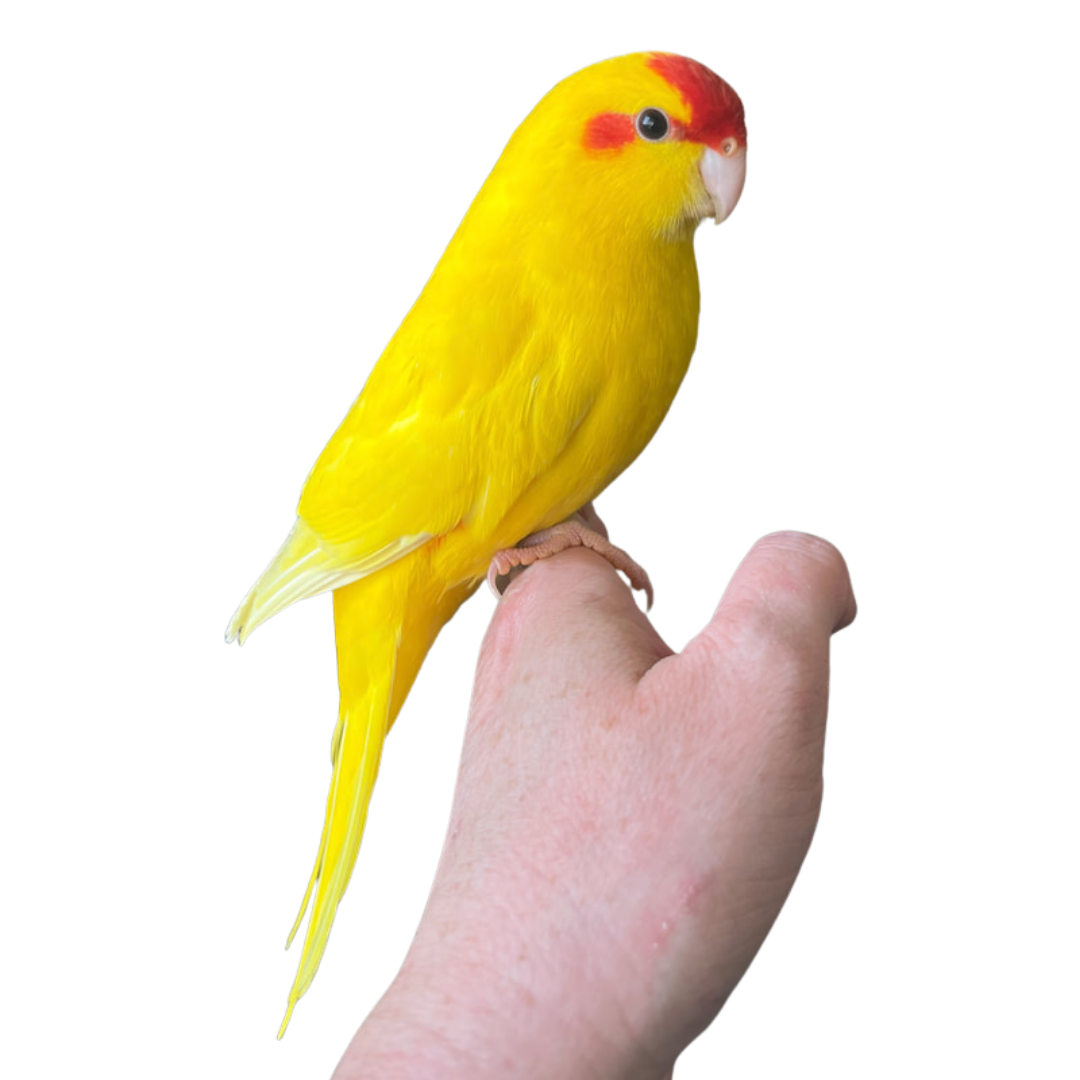
Kākāriki can make wonderful pets for dedicated beginners and experienced bird owners alike. They are naturally curious, energetic birds that enjoy exploring, foraging and interacting with their surroundings. With patience and regular interaction, they can build trusting relationships with their owners.
Kakariki Cage
Diet & Nutrition
A balanced diet is key. Offer a high-quality parrot seed or pellet mix as the base, supplemented with fresh fruits and vegetables like apple, carrot, spinach, and broccoli. Provide clean, fresh water daily, and include calcium sources like cuttlebone to support beak and bone health.
Avoid toxic foods such as chocolate, avocado, caffeine, alcohol, and foods high in salt or sugar, these can be harmful or even fatal.
Enrichment & Exercise
Kakarikis thrive on social interaction and mental enrichment. Regular handling, out-of-cage flight time, and toy rotation help keep them happy and prevent boredom. Without adequate stimulation, some kakarikis may develop unwanted behaviours like feather-plucking.
Health & Care
Kākāriki are generally active and energetic birds but should be monitored for signs of illness, such as changes in appetite, lethargy, fluffed up feathers or unusual droppings. Beak and nail health is also important, with natural perches and safe chewing materials helping to maintain their condition. Any suspected illness should be assessed promptly by an avian vet.
Daily Care Basics
Frequently Asked Questions
about Kakarikis
1. Are Kākāriki good beginner pets?
Kākāriki can be suitable for dedicated beginners who are willing to learn about their needs. However, they are extremely active, curious birds that require plenty of space, daily enrichment and regular interaction
2. Can Kākāriki talk or mimic sounds?
Yes! Some Kākāriki can learn to mimic words, whistles and household sounds. However, they are not particularly well known for talking, and not every bird will develop this ability.
3. What should I feed my Kākāriki?
A balanced diet should include high quality parrot pellets, fresh vegetables and small amounts of fruit. Seeds and millet can be offered occasionally as treats. Fresh drinking water should always be available
4.Do Kākāriki need a companion bird
Kākāriki are social birds that can benefit from living with a compatible companion. However, they can also live alone with plenty of daily interaction and enrichment. Introductions should always be gradual, and not all birds will get along.
5. How do I tell if my Kākāriki is sick?
Look out for changes in appetite, droppings, activity levels or behaviour. Fluffed up feathers, sitting at the bottom of the cage, breathing difficulties or unusual tiredness can also indicate illness. Birds often hide signs of sickness, so contact an avian vet promptly if you notice anything unusual.