Can Cats Get Hay Fever?
Yes, cats can develop hay fever, but it often looks different from human symptoms. Instead of sneezing and watery eyes, cats are more likely to show skin irritation and itching. Pollen allergies are usually seasonal and can flare up in spring and summer.
At Smith’s Pets, we regularly speak to owners who are surprised that itching can be linked to airborne allergens
What Are the Signs of Hay Fever in Cats?
Cats rarely show classic “sneezing” hay fever like humans. Instead, look for:
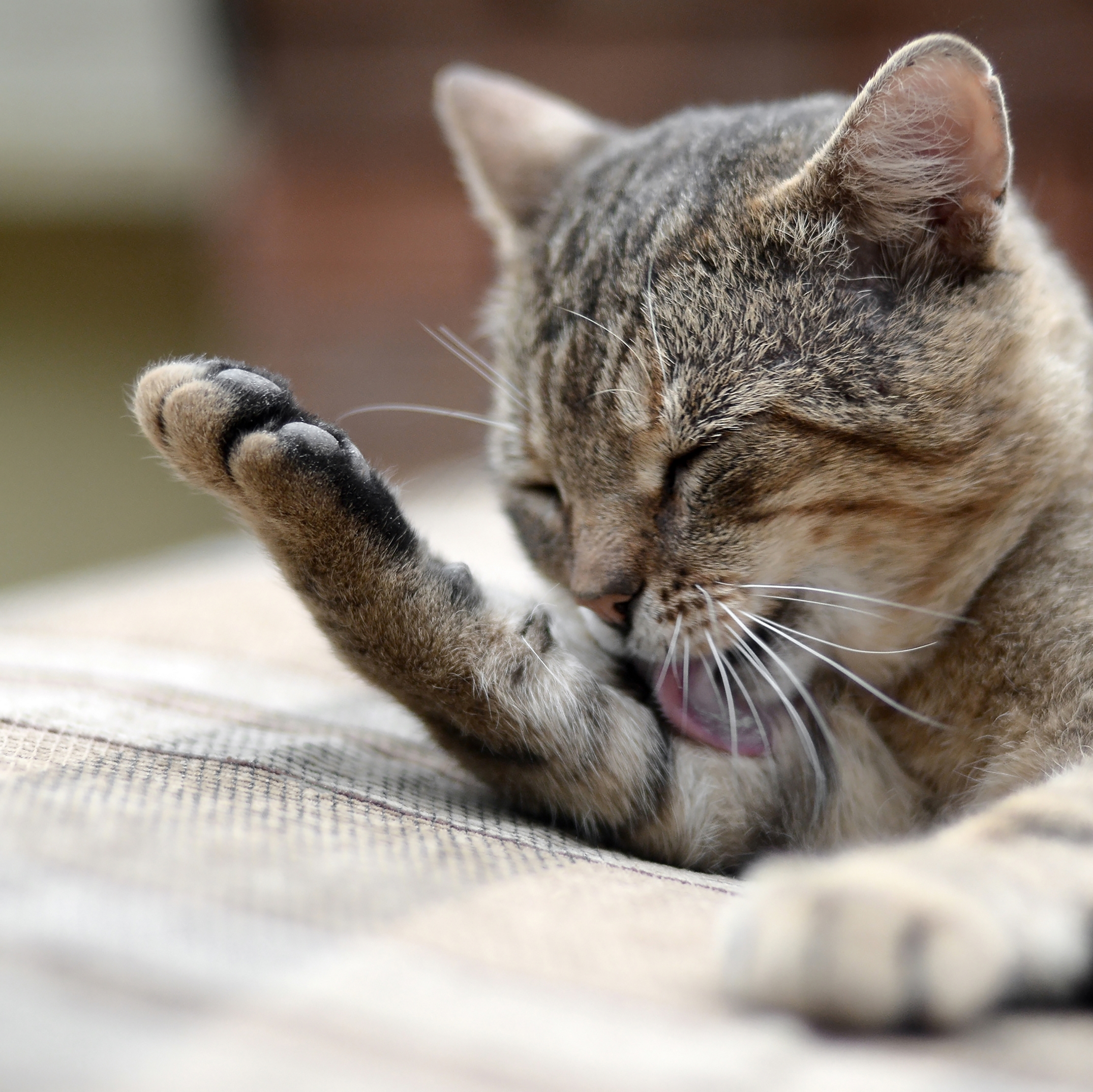
Excessive scratching or grooming
Red or sore skin
Hair loss (often on the head, neck, or belly)
Small scabs (sometimes called miliary dermatitis)
Watery eyes
Occasional sneezing
Symptoms often appear at the same time each year
What Is Hay Fever in Cats?
Hay fever is an allergic reaction to pollen from:
Grass
Trees
Weeds
When cats inhale or come into contact with pollen, their immune system can overreact, causing inflammation.
The PDSA explains that environmental allergies in pets are common and often seasonal. The Blue Cross also notes that allergies frequently affect a cat’s skin rather than causing cold-like symptoms.
How Can I Help My Cat During Pollen Season?
While you can’t eliminate pollen entirely, you can reduce exposure.
Practical steps include:
Wiping your cat’s coat with a damp cloth after outdoor time
Washing bedding regularly
Vacuuming frequently
Keeping windows closed during high pollen days
Staying consistent with flea prevention (to avoid mixed allergy triggers)
Never give your cat human antihistamines unless prescribed by a vet.
Is It Definitely Hay Fever or Something Else?
Skin irritation in cats can also be caused by:
Fleas
Food allergies
Mites
Fungal infections
Because the symptoms overlap, a vet may need to rule out other causes before confirming a pollen allergy
Why Does Hay Fever Cause Itchy Skin?
When pollen settles on a cat’s fur and skin, it can trigger an allergic reaction. The inflammation makes the skin itchy.
Cats then:
Overgroom
Chew or lick specific areas
Rub their face on furniture
This can lead to secondary infections if the skin becomes damaged.
Are Some Cats More Prone to Allergies?
Yes. Allergies are more common in:
Young adult cats (1–3 years old)
Outdoor cats exposed to more pollen
Cats with a history of other allergies (e.g. flea allergy)
If your cat already reacts badly to flea bites, they may be more sensitive to environmental allergens too
When should I contact a vet?
Speak to your vet if your cat:
Has persistent itching lasting more than a few days
Develops open sores or scabs
Loses significant patches of fur
Seems lethargic or unwell
Has breathing difficulties
Your vet may suggest:
Prescription anti-itch medication
Allergy testing
Medicated shampoos
Dietary trials
Early treatment helps prevent infections and ongoing discomfort.
Do indoor cats get hay fever?
They can, especially if pollen enters through windows, doors, or on clothing. But it’s less common than in outdoor cats
Can hay fever in cats be cured?
Allergies can’t usually be cured, but symptoms can be managed effectively with veterinary support.
Is sneezing always hay fever?
No. Persistent sneezing may indicate a respiratory infection rather than an allergy. A vet check is recommended if it continues
If you’re unsure whether your cat’s itching could be seasonal, pop in and speak to our team at Smith’s Pets. We’re always happy to help you spot the signs early and guide you on the next steps.
Visit us in-store or send us a message, we're always happy to help!