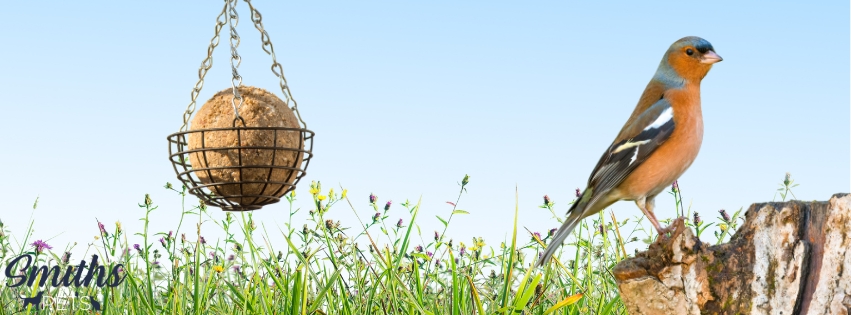
Should You Stop Feeding Garden Birds in Summer? What Current UK Guidance Really Means
Garden bird feeding remains one of the most popular ways to support UK wildlife, but recent guidance has led many people to question whether feeding should continue through the warmer months. The key message is not to stop feeding entirely but to adjust how, when, and what you feed.
Organisations such as the RSPB now highlight increased disease risk during late spring through early autumn, especially where feeders are heavily used or poorly maintained. As a result, the focus has shifted towards seasonal awareness, hygiene, and reducing bird crowding at feeding stations.
Why summer feeding guidance has changed
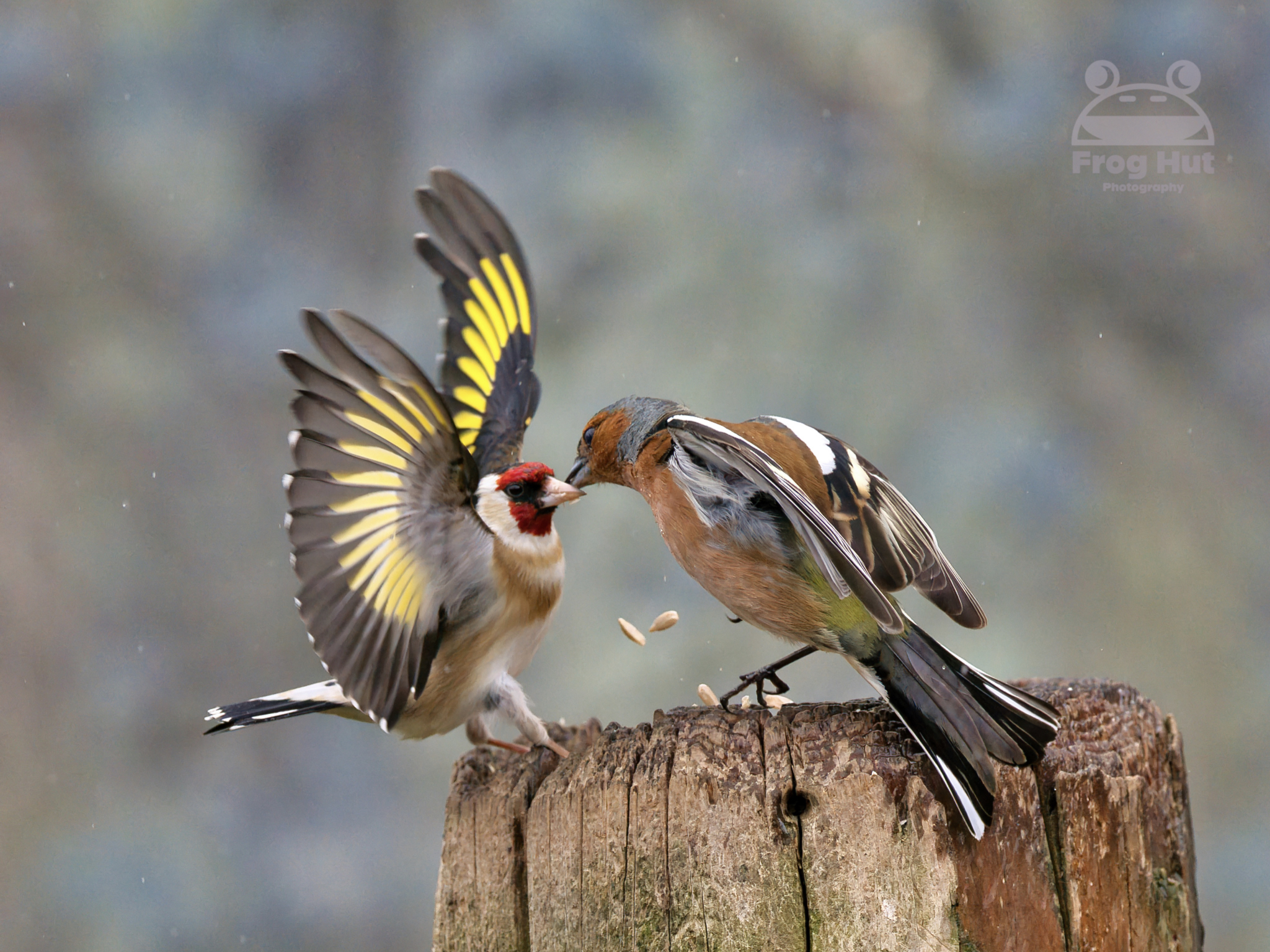
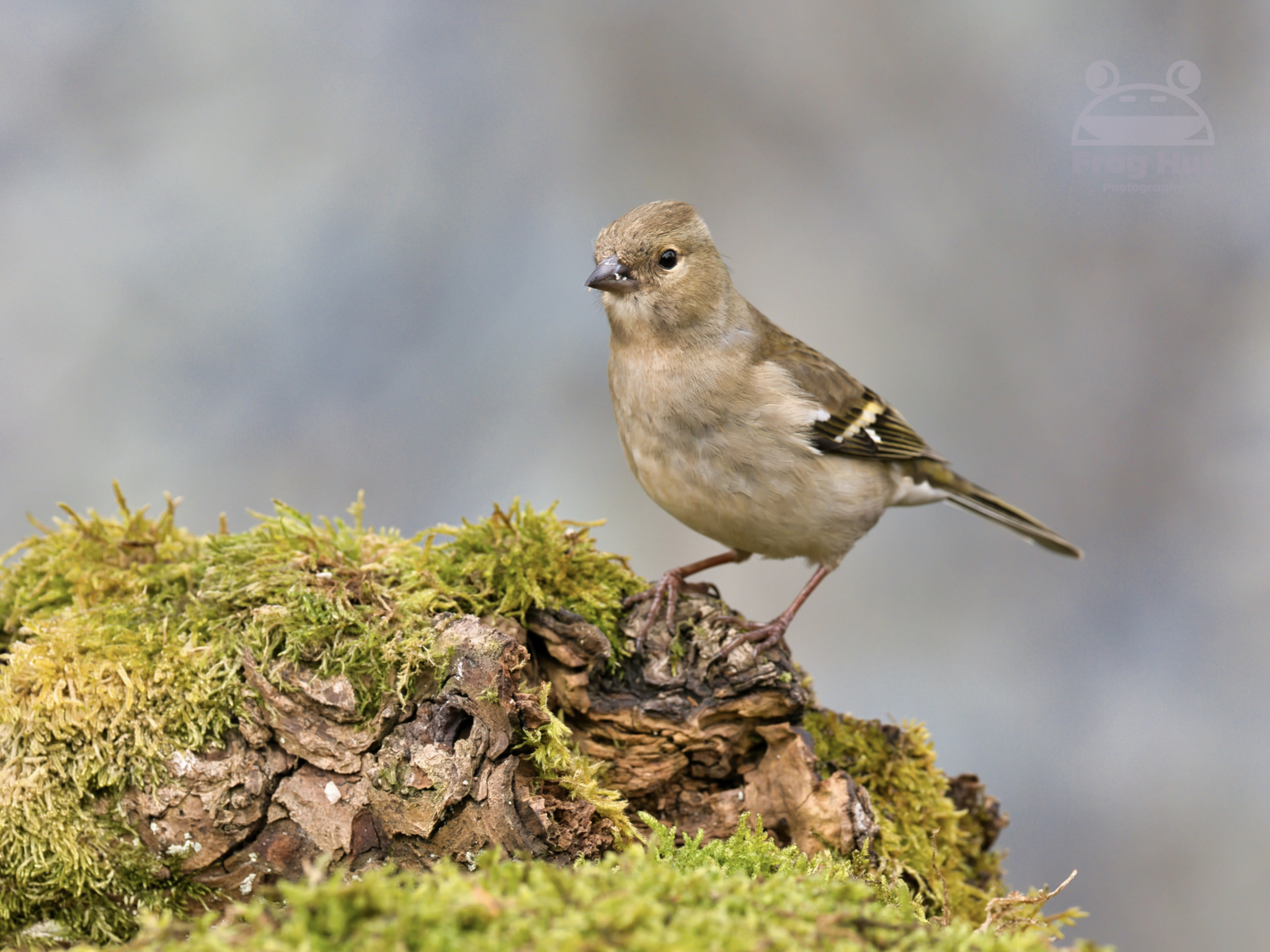
One of the main concerns behind updated advice is the spread of trichomonosis, a disease that has significantly affected UK garden birds such as greenfinches.
Trichomonosis affects the throat and upper digestive tract, making it difficult for birds to swallow food and water. Infected birds may become weak and often die from starvation or dehydration. The disease spreads primarily through contaminated saliva, particularly around shared feeding areas.
Feeding stations can unintentionally increase transmission risk because they:
- Bring birds into close and frequent contact
- Allow saliva-contaminated food to spread between individuals
- Become contaminated if not cleaned regularly
In warmer weather, bacteria and pathogens can survive longer on feeders and food, increasing the risk further, especially during periods of heavy bird activity.
What the RSPB actually recommends
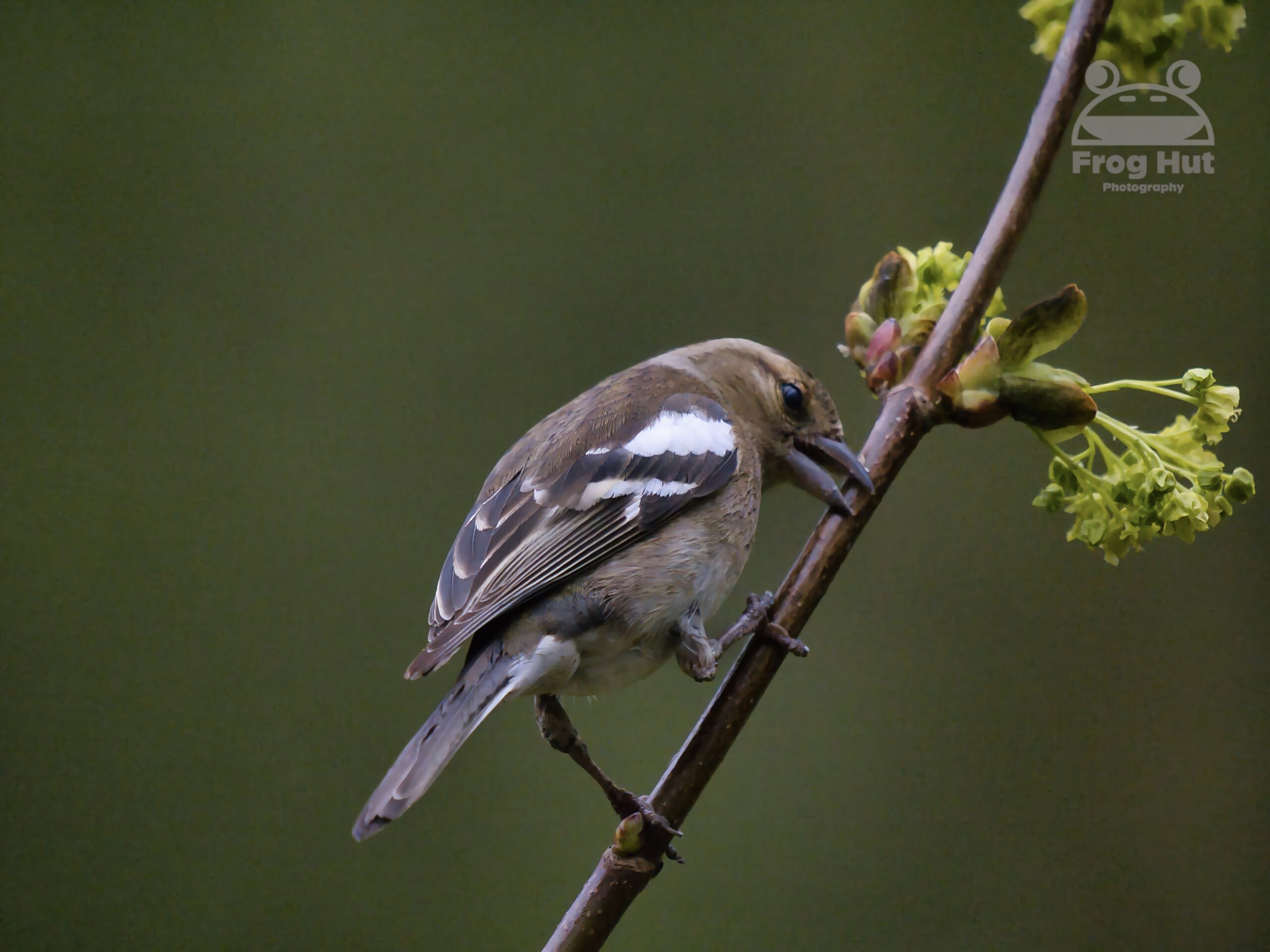
Rather than stopping feeding altogether, the RSPB encourages a more balanced, seasonal approach:
- Prioritise fresh water, cleaned daily
- Reduce reliance on feeders during peak summer
- Encourage natural foraging through garden planting
- Maintain strict hygiene if feeding continues
Bird baths are often more important than food during summer months, providing essential hydration in hot weather. Natural food sources such as insects are also more abundant, particularly during the breeding season when chicks require high-protein diets.
How to feed responsibly in summer
If feeding continues during warmer months, the approach should shift towards low-volume, high-hygiene support.
1. Maintain strict hygiene
Clean feeders frequently, ideally every few days in busy gardens. Always disinfect thoroughly and allow equipment to dry fully before reuse. Bird baths should be refreshed and cleaned daily.
2. Reduce bird crowding
- Use multiple small feeders instead of one central station
- Space feeders apart to reduce contact between birds
- Move feeder locations regularly
3. Avoid high-risk feeding setups
Bird tables and flat surfaces can encourage close contact and contamination, increasing disease transmission risk in summer conditions.
4. Feed smaller amounts more often
Only provide what birds will consume quickly to prevent food sitting in warm conditions and becoming contaminated.
5. Choose lower-risk food options
- Mealworms (especially beneficial for chicks)
- Suet or fat-based foods in moderation
- Small quantities of high-quality seed mixes
A more balanced approach to garden bird care
UK wildlife guidance is increasingly focused on seasonal feeding responsibility, rather than continuous year-round feeding.
During summer, birds naturally have greater access to insects, berries, and plant-based food sources. Human feeding should therefore support (not replace) natural foraging behaviour.
A responsible approach includes:
- Supporting natural habitat growth in gardens
- Providing clean water sources daily
- Reducing feeder overcrowding
- Maintaining strict hygiene routines
Supporting bird health with better feeding systems
Good hygiene is one of the most effective ways to reduce disease risk in garden birds. Poorly maintained feeding stations can quickly become hotspots for infection, while well-managed setups can still provide safe and valuable support.
Using sanitary bird feeders, easy-clean feeding systems, and specialist feeder cleaning products helps reduce contamination and supports healthier wild bird populations.
These simple changes allow wildlife enthusiasts to continue feeding responsibly while aligning with current conservation guidance.
Conclusion
Feeding garden birds in summer is not discouraged outright. But it does require a more careful and informed approach. With increased disease risk during warmer months, hygiene, reduced crowding, and seasonal awareness are essential.
By adapting feeding habits, focusing on clean water, and supporting natural food sources, it is still possible to enjoy and support garden birds safely throughout the year.
The goal is not to feed less, but to feed better.
Should I stop feeding birds completely in summer?
Not necessarily. The current guidance suggests reducing and carefully managing feeding rather than stopping altogether, especially if hygiene is maintained and bird activity is low.
What is the most important thing to provide in summer?
Fresh, clean water is often more important than food during warmer months. Bird baths should be cleaned and refilled daily to support hydration and hygiene.
How can I reduce disease risk at my feeders?
Regular cleaning, smaller feeding stations, reduced crowding, and removing food that becomes damp or uneaten are the most effective ways to reduce disease transmission.