Is It Safe to Put Out Food for Wildlife in Spring?
Yes, it is generally safe to feed wildlife in spring, but it needs to be done carefully. Many birds and small mammals are raising young, so high-quality food and clean feeding practices are essential to keep them healthy. With the right approach, your garden can support wildlife safely without creating problems.
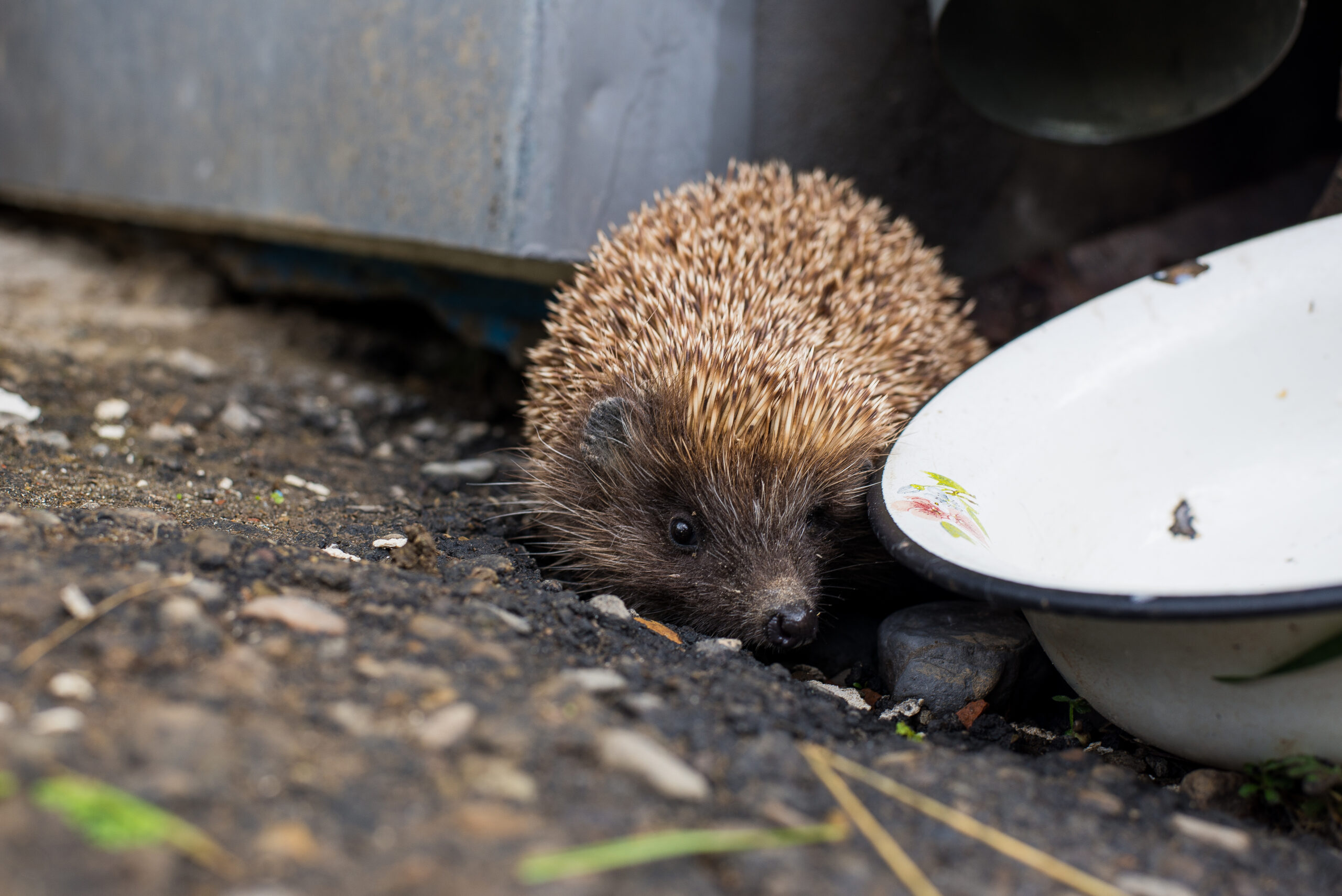
How to Feed Wildlife Safely
To prevent illness and dependency:
Keep feeders clean: Wash regularly with hot water to prevent disease.
Place food safely: On tables or trays, away from roads and pets.
Don’t overfeed: Offer small amounts daily rather than leaving piles to go stale.
Rotate foods: Fresh options reduce spoilage and attract different species.
Which Wildlife Can Benefit from Food in Spring?
Spring brings new life, and animals are often busy feeding themselves and their young. You may see:
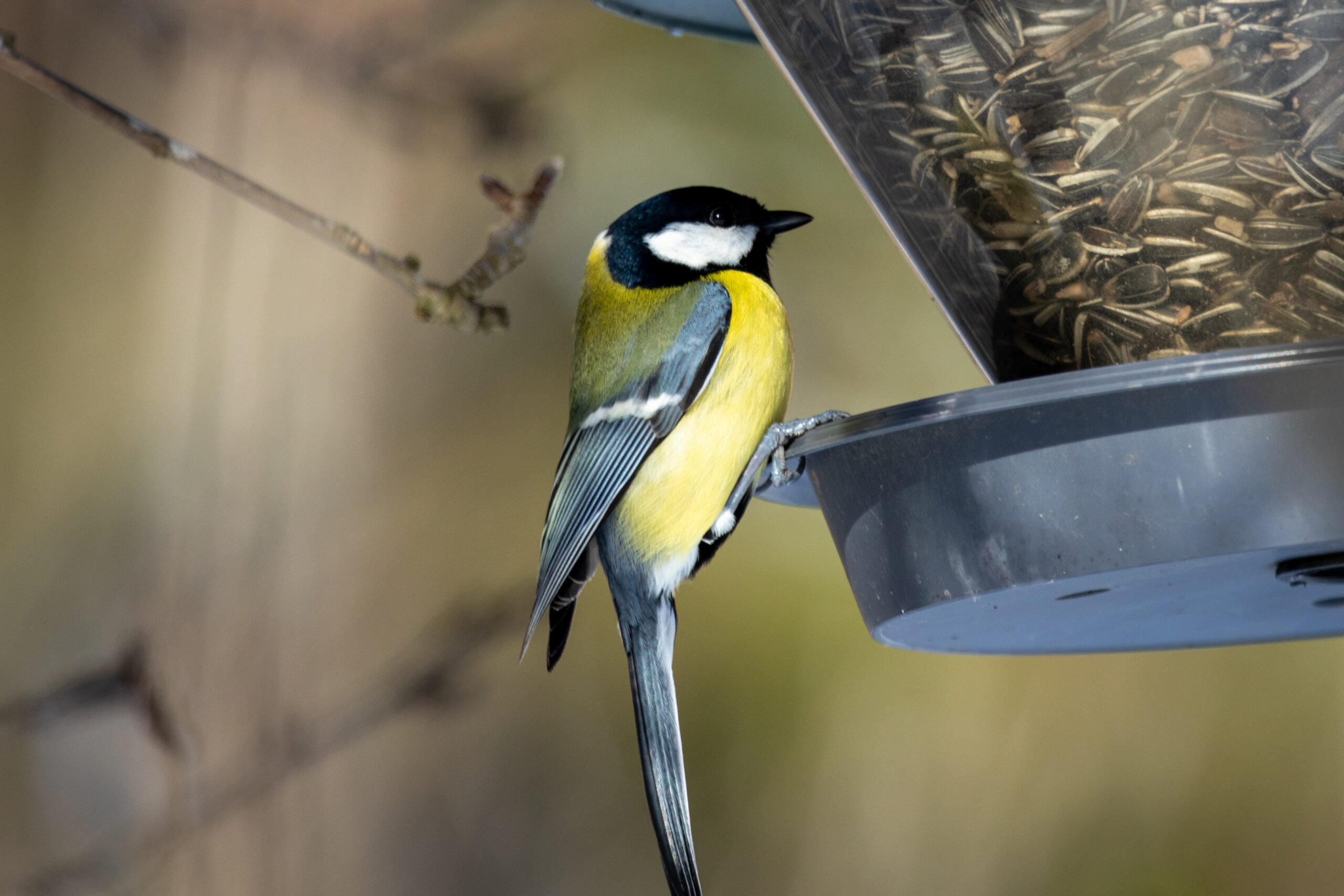
Birds: Robins, blue tits, sparrows, and blackbirds may still rely on supplemental food.
Hedgehogs: Emerging from hibernation, they need energy-rich foods like meat-based options.
Other small mammals: Squirrels and wild mice may occasionally benefit from safe nuts or seeds.
What Foods Are Safe to Offer?
Not all food is suitable in spring. Here’s a simple guide:
For birds:
Unsalted peanuts, sunflower seeds, and fat balls
Soft fruits like chopped apples or berries
Avoid bread or processed foods
For hedgehogs:
Specially formulated hedgehog food or plain, cooked meat
Avoid milk and bread (these can harm them)
For small mammals:
Unsalted nuts, seeds, and fresh water
Avoid chocolate, sweets, and anything processed
Why Is Feeding Wildlife in Spring Different from Winter?
In winter, animals rely heavily on food you provide.
In spring, natural food sources like insects, worms, and budding plants become more abundant.
Overfeeding can discourage animals from foraging naturally or cause health issues
When Should I Contact a Vet?
Even when feeding responsibly, wildlife can sometimes get sick. Contact a vet or a wildlife rehabilitation centre if you notice:
Birds with drooping wings or ruffled feathers
Hedgehogs that are very thin or lethargic
Animals with visible injuries or unusual behaviour
RSPCA and PDSA provide advice for handling and reporting sick wildlife
Can I put out water for wildlife too?
Yes, clean, shallow dishes of fresh water are excellent, especially for birds and hedgehogs. Change daily to prevent bacteria
Can feeding wildlife cause dependency?
If done in moderation and with natural foods, feeding supplements in spring won’t make animals dependent.
Are garden cats a risk to feeding wildlife?
Yes, keep feeding areas safe from pets to avoid stress or injury to small birds and mammals
Visit us in-store or send us a message, we're always happy to help!