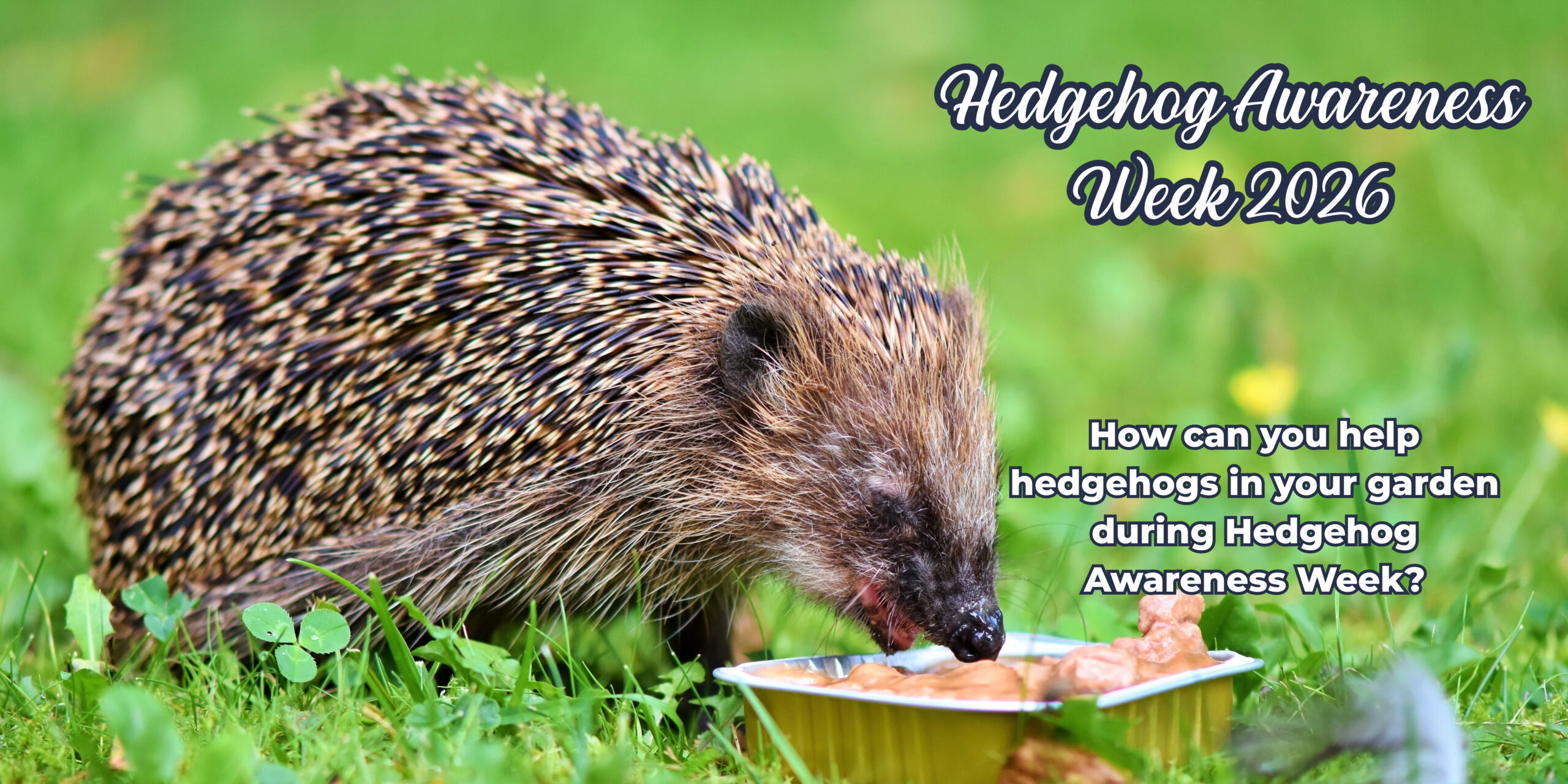
Hedgehogs are in decline across the UK, but your garden can make a real difference. Small, simple changes (especially around food, shelter, and access) can help support them. Creating a connected, wildlife-friendly space is one of the most effective ways to help.
Why do hedgehogs need help?
Hedgehog numbers have dropped significantly in recent decades due to changes in how our outdoor spaces are managed.
Main reasons:
- Loss of natural habitat
- Tidy, enclosed gardens with no access
- Decline in natural food sources
- Use of pesticides and chemicals
In simple terms: fewer insects and less access = fewer hedgehogs.
For more guidance on UK wildlife welfare, organisations like the RSPCA highlight the importance of creating safe, accessible environments.
What do hedgehogs need to survive?
Hedgehogs are insectivores, built to eat a natural, varied diet.
Their diet includes:
- Beetles
- Caterpillars
- Worms
- Slugs (despite the myth, these aren’t their main food source)
Modern gardens often don’t provide enough of this naturally anymore, particularly if they are heavily maintained.
How should I feed hedgehogs properly?
Supplementary feeding can really help especially in urban areas.
Good options:
- Specialist hedgehog food (balanced and reliable)
- Good quality meaty cat or dog food (wet or dry)
Always provide:
- A shallow dish of fresh water
Avoid:
- Milk (can cause digestive issues)
- Bread (little nutritional value)
- Fish-flavoured cat or dog food
Why commercial diets are useful:
They provide consistent nutrition and help support hedgehogs when natural food is limited—particularly during dry periods or in heavily managed gardens.
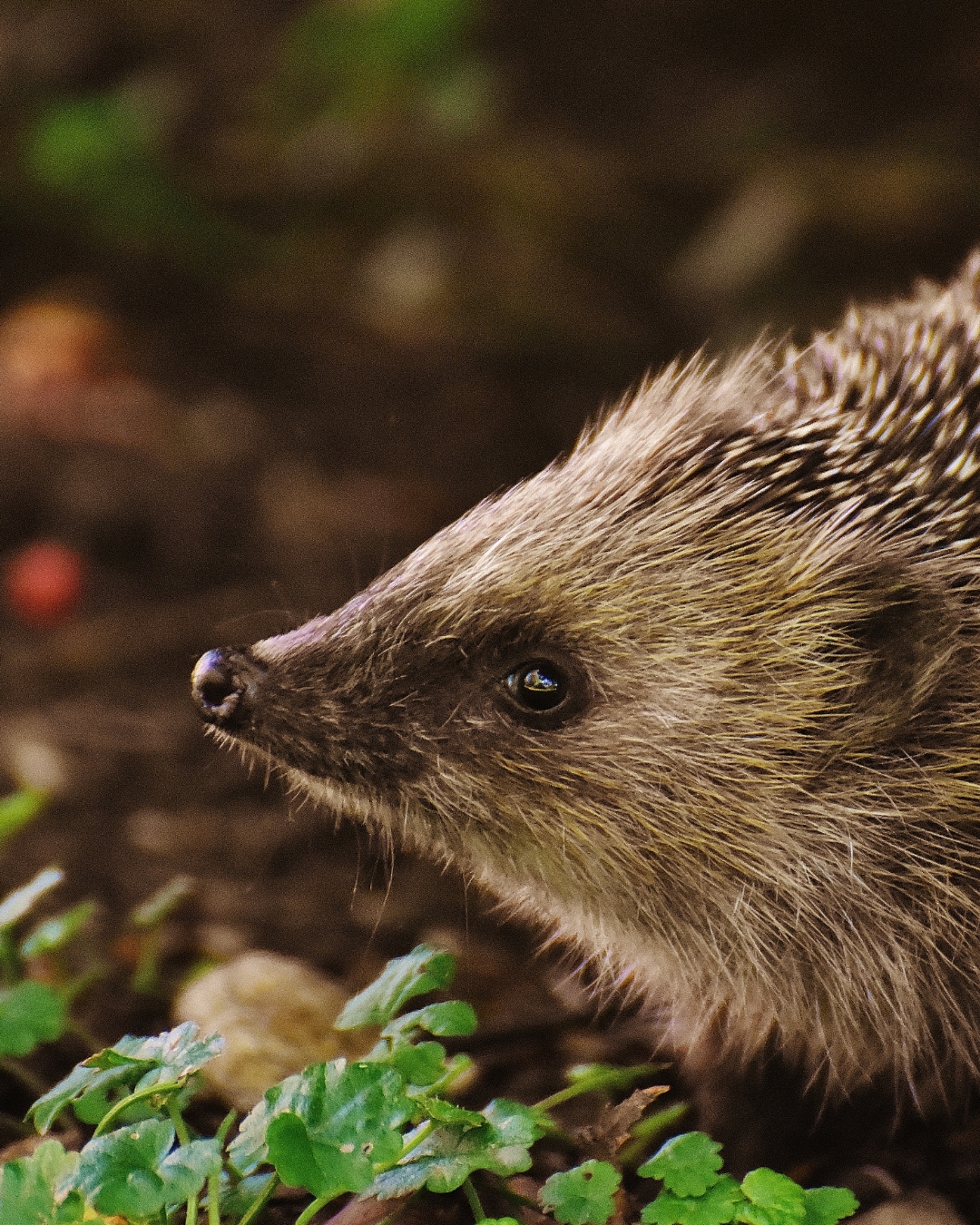
How can I make my garden hedgehog-friendly?
This is where you can have the biggest impact.
1. How do I create access for hedgehogs?
- Leave a 13cm x 13cm gap in fences (“hedgehog highways”)
- Connect gardens so hedgehogs can move freely
2. What shelter do hedgehogs need?
- Log piles, compost heaps, or hedgehog houses
- Quiet, undisturbed corners
3. Should I stop tidying my garden?
- Leave some areas wild
- Long grass and leaf piles support insects
4. Are garden chemicals harmful to hedgehogs?
- Yes, pesticides reduce food supply and can harm hedgehogs directly
5. Why should I check before strimming or moving piles?
- Hedgehogs often hide in long grass, leaf piles, and compost heaps
What risks should I look out for in my garden?
Some common garden features can pose risks if not managed carefully.
Watch out for:
- Netting that can trap hedgehogs
- Ponds without escape routes
- Bonfires (always check before lighting)
- Strimmers and lawnmowers
The British Hedgehog Preservation Society offers detailed advice on reducing these risks.
Do hedgehogs need feeding all year round?
Supplementary feeding is most useful when natural food is scarce, such as during dry periods or in urban areas.
Can hedgehogs climb fences?
No, this is why access points between gardens are so important.
Is it okay to handle a hedgehog?
It’s best to avoid handling unless necessary. If you must, use gloves and contact a wildlife rescue for advice.