Are Adders dangerous to dogs? What every UK dog owner needs to kow!
Yes, Adder bites can be dangerous to dogs, especially in spring when snakes are most active. The good news is that most bites are avoidable with awareness, and prompt veterinary care leads to a good outcome in the majority of cases.
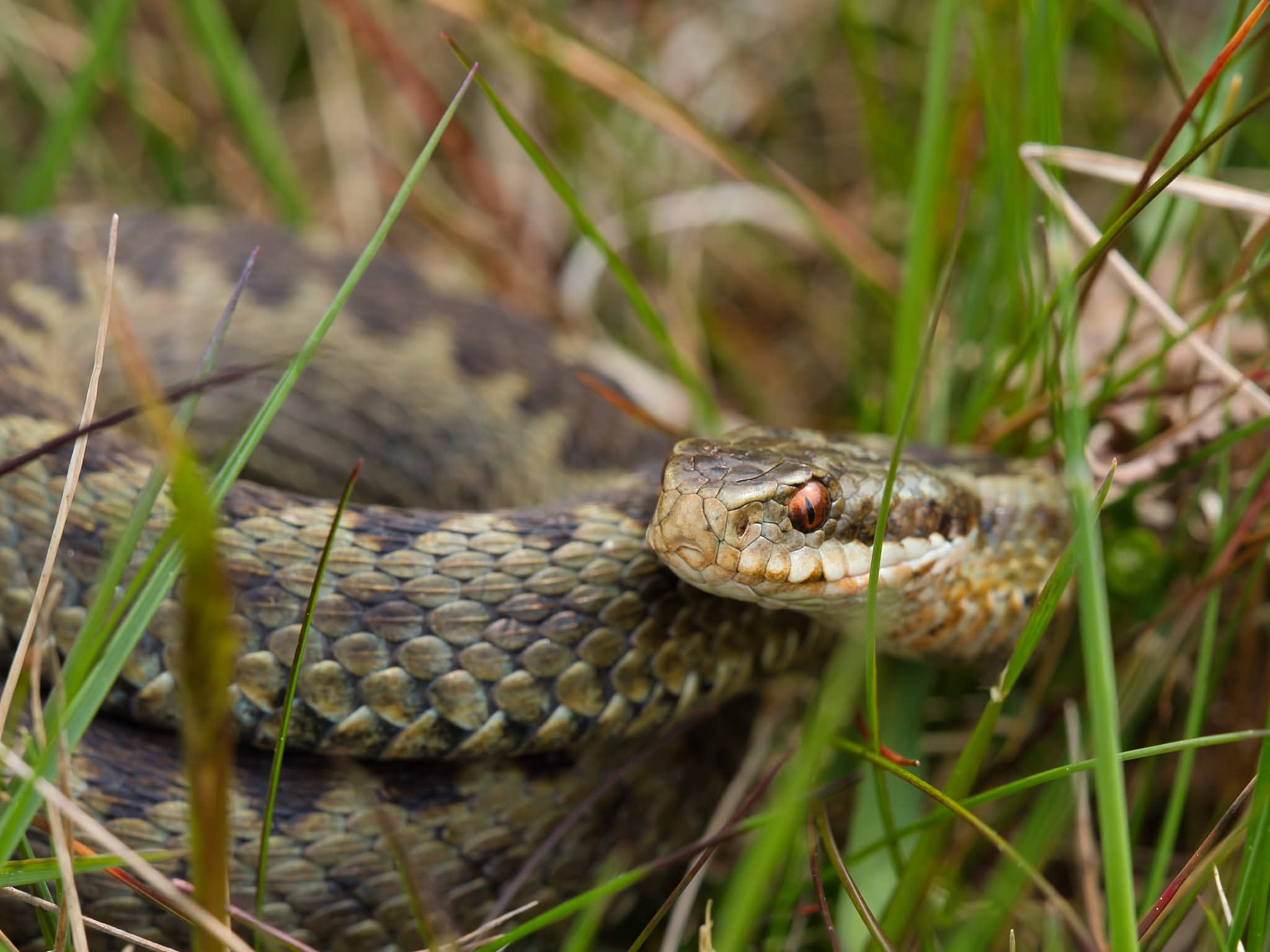
When are Adders most active?
Adder activity changes depending on temperature:
Early spring (cooler conditions):
- Active throughout the day, basking openly
Hot weather (late spring/summer):
- Most active in the early morning and late afternoon
- Often retreat or become less visible during the hottest part of the day
This means you can encounter adders at almost any time, but risk shifts with temperature
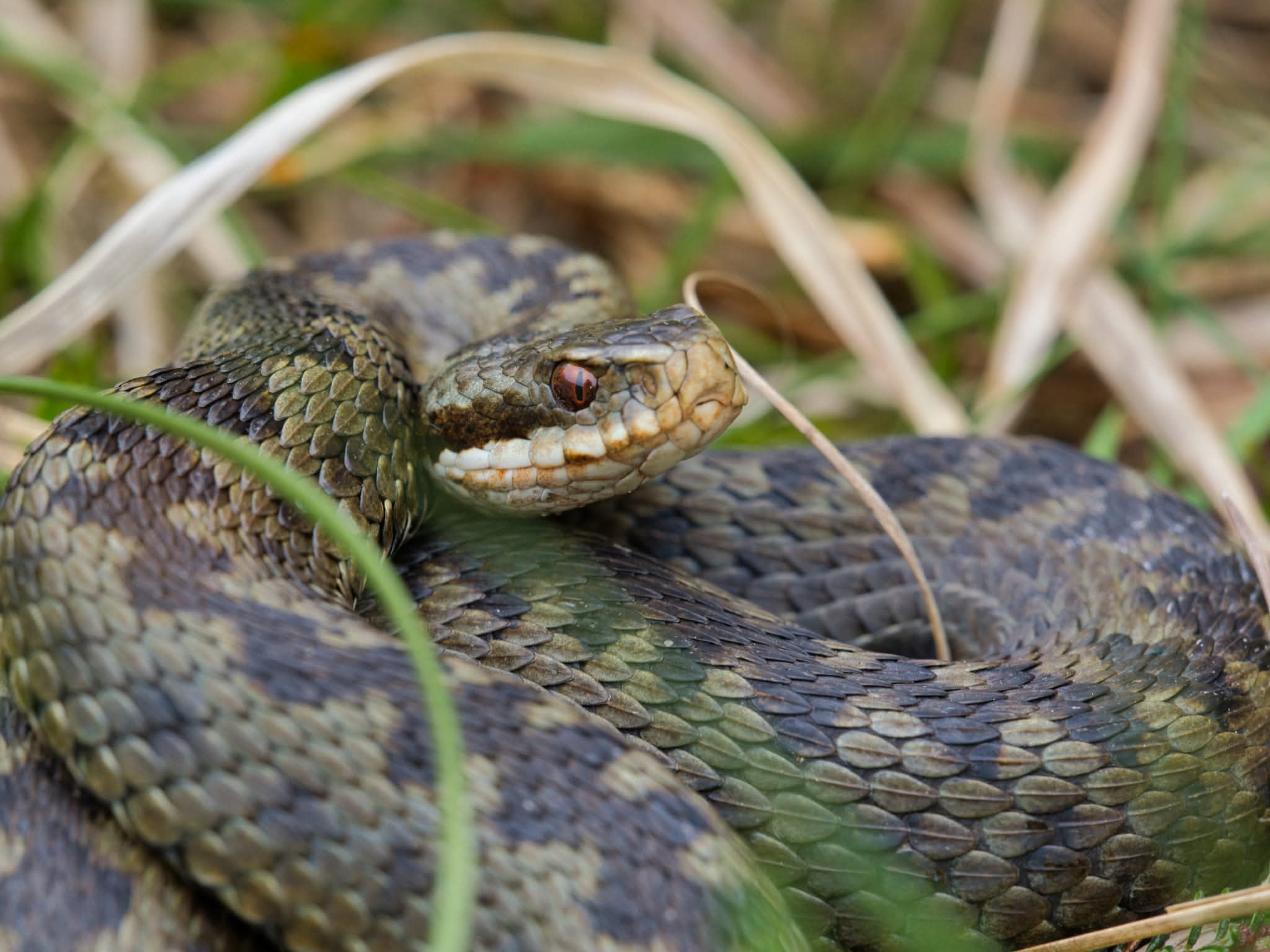
Where are you most likely to see Adders?
Adders favour quiet, undisturbed habitats where they can bask safely.
Typical locations include:
- Heathland
- Moorland
- Woodland edges
- Coastal dunes
- Rough grassland and sunny banks
They often sit in:
- Sunny clearings
- Path edges
- Bracken and long grass
Exactly the same places dogs love to explore.
How can you reduce the risk when walking your dog?
Simple awareness goes a long way:
- Keep dogs under control in high-risk areas
- Avoid letting dogs run through dense vegetation
- Stick to clear paths where possible
- Be extra cautious on warm, sunny days
- Stay alert during early mornings in hotter weather
Most bites happen because the dog finds the snake first.
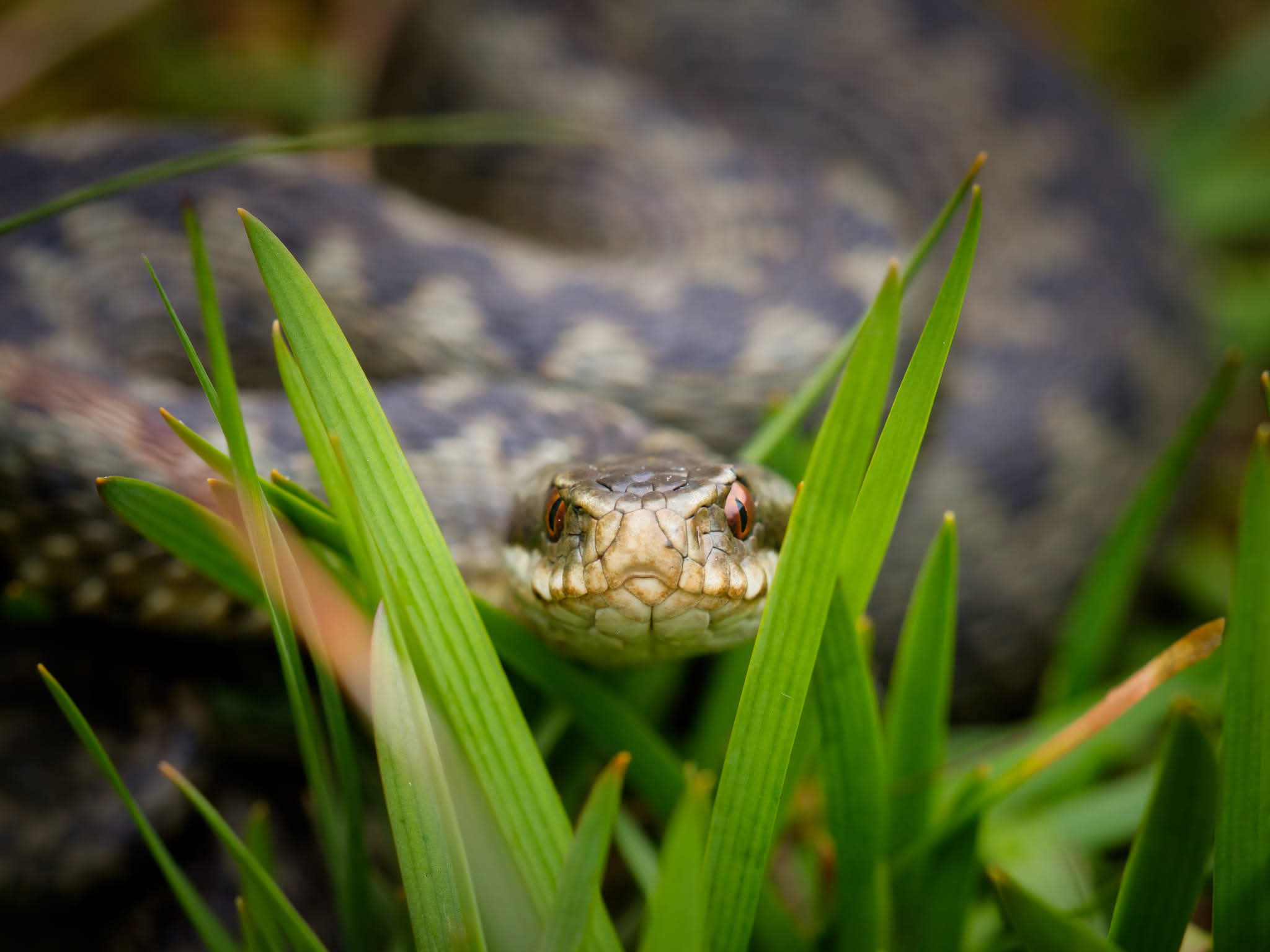
What should you do if your dog is bitten by an Adder?
This is the most important part. Common signs of an adder bite:
- Sudden yelp or reaction
- Swelling (often around face or leg)
- Lethargy or weakness
- Pain and discomfort
- Possible collapse in severe cases
Immediate action:
- Stay calm
- Keep your dog as still as possible
- Carry your dog if you can (to reduce venom spread)
- Call your vet immediately
- Head to the nearest veterinary practice
What NOT to do:
- Do not try to suck out venom
- Do not apply a tourniquet
- Do not cut the wound
- Do not attempt home treatment
Veterinary treatment is essential
What is the outlook after a bite?
Most dogs recover well with prompt veterinary treatment. Severity depends on:
- Size of the dog
- Location of the bite
- Amount of venom injected
The key factor is how quickly treatment is given
What should you do if you see an Adder?
Keep it simple: Leave it alone
Do not approach
Do not attempt to move it
Adders are protected under UK law, and disturbing them can be an offence.
More importantly: Giving them space keeps everyone safe, including your dog
Encounters between dogs and Adders are rare, but they do happen, and almost always in predictable situations. This isn’t about fear, it’s about awareness. The same countryside that supports wildlife is the one we enjoy walking through every day. Understanding how animals behave allows us to share that space safely.
Adders aren’t something to fear — they’re something to respect.
Give them space, stay aware, and enjoy your walks knowing you’re prepared.
Are Adder bites common in the UK?
No, they are relatively uncommon, but cases do increase in spring and early summer.
Are adder bites fatal to dogs?
Fatalities are rare, especially with prompt veterinary care. Most dogs recover well.
When is the highest risk time to encounter adders?
In early spring, during the day when temperatures are cooler. In hotter weather, risk shifts to early mornings and late afternoons.
Do adders chase dogs or people?
No, they avoid contact. Bites only occur when they feel threatened.
Should I report adder sightings?
Not usually necessary, but local wildlife groups may record sightings for conservation purposes.
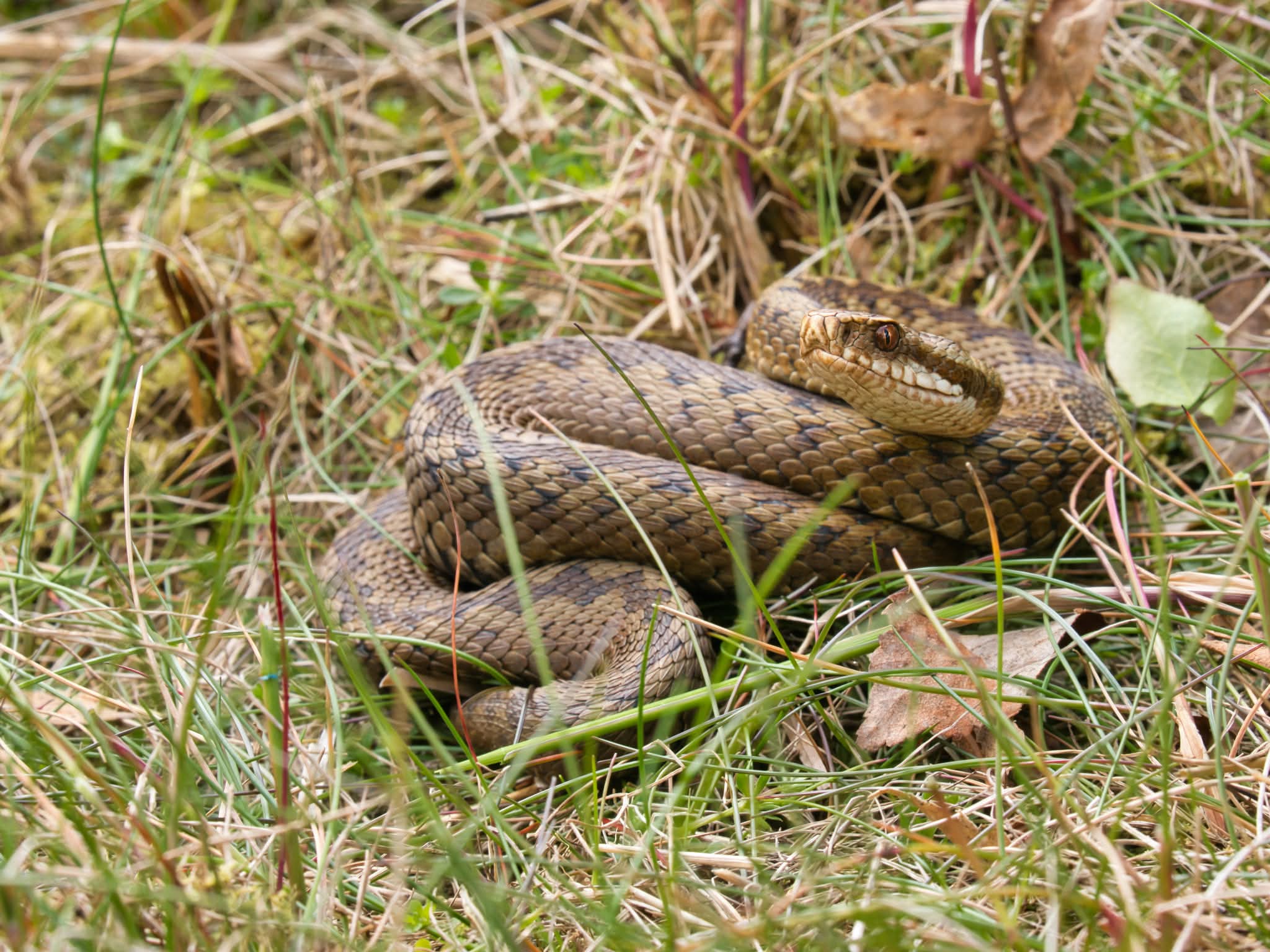
A note on the images used in this article
All photography and video accompanying this article were taken at a safe distance, using appropriate equipment, without disturbing the animals and by an experienced herpetologist. Locations are intentionally not disclosed to protect wildlife and reduce disturbance.