How to Litter Train a Kitten: 6 Simple Steps
Learning how to litter train a kitten starts with making their toilet easy to find, comfortable to use and clean. Many kittens arrive already familiar with a litter tray, but moving into a new home can mean they need a little help finding their feet.
The right tray, a suitable litter and a patient approach can help your kitten settle into a reliable routine.
Table of Contents
Choose a tray your kitten can easily use
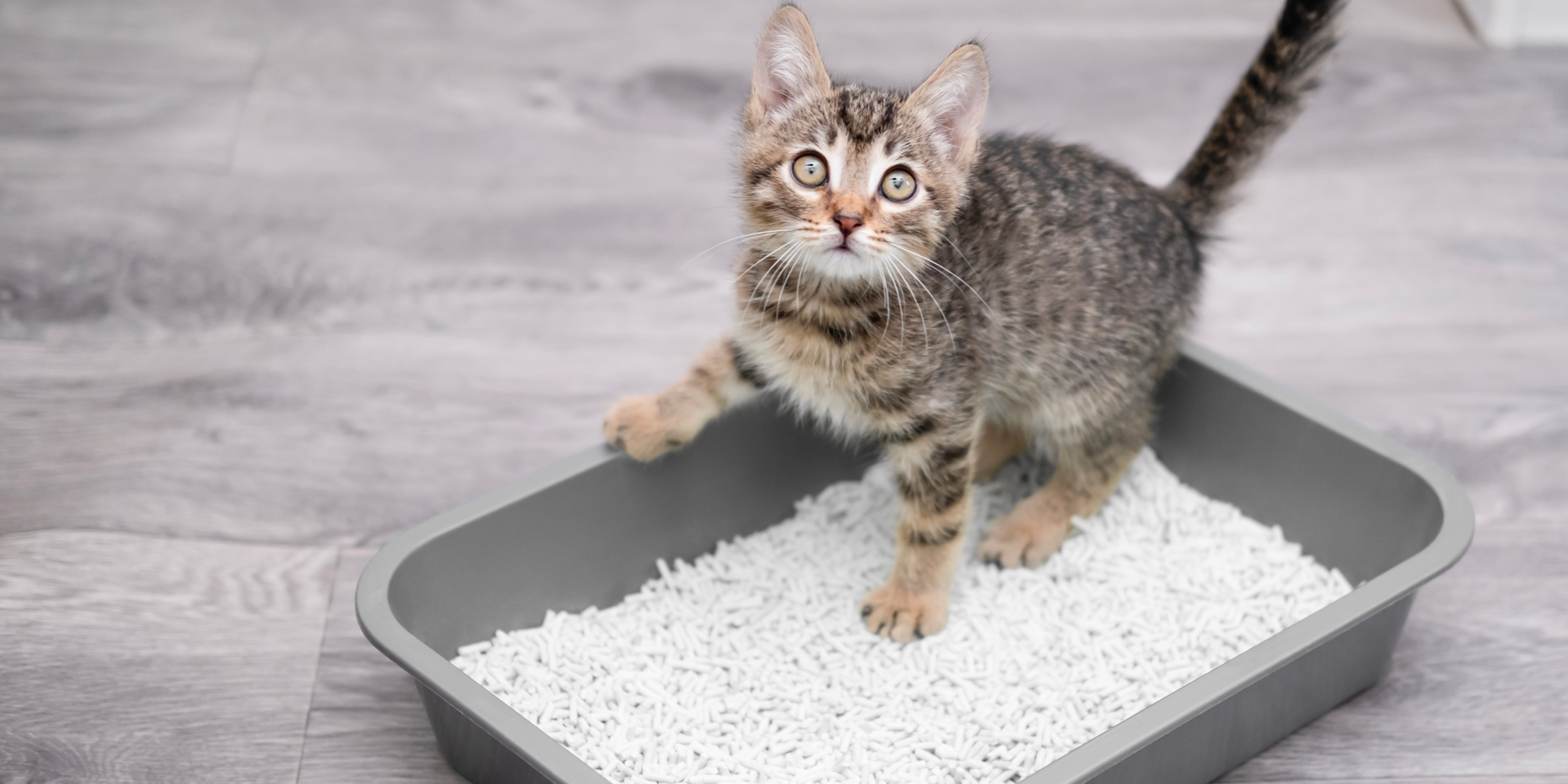
Your kitten needs to be able to step into their tray comfortably and have enough room to turn around, dig and squat.
Choose a tray with a low entrance, particularly for a small kitten. A roomy, open tray is a practical starting point because it gives you a clear view of their toileting and makes access straightforward.
Check the size as your kitten grows. A tray that suited them when they first came home may soon become cramped.
Aim for one litter tray per cat, plus one extra. For one kitten, that means two trays in separate locations.
.
Put trays somewhere quiet and accessible
A litter tray needs to feel safe. Choose a quiet spot away from food and water, with an easy route your kitten can use whenever they need it.
Avoid busy walkways, noisy appliances and places where another pet could block access. Make sure doors cannot accidentally shut your kitten away from their toilet.
While they are settling into their first room, keep the tray well separated from their eating, drinking and sleeping areas. As they explore more of your home, make sure a tray remains easy to reach. Avoid suddenly moving their familiar tray to a completely different location.
Choose a comfortable, kitten-suitable litter
Start by asking which litter your kitten already uses. Keeping something familiar can help during a move.
If you need to choose a new litter, look for an unscented option suitable for kittens. Many cats prefer a soft, fine, sandy texture that is comfortable under their paws.
Cats Protection recommends non-clumping litter for young kittens because they may investigate litter with their mouths, and swallowing clumping litter could cause a blockage. Check the packaging for age suitability.
Start with roughly 3cm of litter so your kitten can dig and cover their waste. Introduce changes gradually rather than replacing a familiar litter overnight.
Which litter should I buy?
There is no single litter every kitten will prefer.
| Litter option | What to consider |
|---|---|
| Fine, non-clumping litter | Can offer a soft texture for little paws. Choose an unscented, kitten-suitable product. |
| Paper litter | Check the texture and age guidance. Your kitten still needs to feel comfortable digging in it. |
| Wood pellets | Some cats use these happily, while others prefer a finer texture. Familiarity matters. |
| Clumping litter | Avoid for young kittens who may swallow it. Ask your vet if you are unsure when to change. |
Choose around your kitten’s comfort and age, rather than fragrance or convenience alone. If they dislike a new texture, offer an alternative in a separate tray so they have a choice.
Show your kitten where to go
When your kitten arrives, gently introduce them to the tray and let them investigate.
If they start sniffing, circling or looking for somewhere to toilet, calmly guide them towards it. You can gently place them in or beside the tray, but allow them to leave freely.
Give them privacy while they toilet. Once they have finished and stepped away, offer gentle praise. Keep your approach calm and consistent.
Keep the tray clean
Check trays morning and evening, removing poo and wet or soiled litter promptly. Top up as needed.
Fully empty and wash the tray regularly, generally at least weekly, and sooner if it becomes dirty or smells. Follow the litter manufacturer’s guidance because different materials need different cleaning routines.
Use a cat-safe cleaning product, rinse thoroughly and dry before refilling. Avoid phenol-based disinfectants, which are toxic to cats.
Cleaning regularly is a better way to manage smells than adding strong fragrances.
Deal with accidents calmly
Never punish your kitten for toileting outside their tray. Shouting, rubbing their nose in it or frightening them will not teach them where to go. It can make them anxious and make toileting problems worse.
Clean accidents with a pet-safe enzymatic cleaner, following the instructions, to help remove lingering smells.
Then check the setup. Can your kitten reach the tray? Is it clean? Have you changed the litter? Is something nearby frightening them?
Repeated accidents, or a sudden change after they have been using the tray reliably, deserve a conversation with your vet.
When does my kitten need a vet?
Toileting changes can be a sign of illness, even if they initially look like a training problem.
Contact your vet promptly if your kitten:
- Starts repeatedly toileting outside their tray.
- Pees more often, passes unusually small amounts or drinks noticeably more.
- Has blood in their urine.
- Cries, strains or seems uncomfortable when toileting.
- Develops diarrhoea, struggles to pass poo or has other changes in their normal toileting.
Repeated attempts to pee with little or no urine need immediate veterinary attention. A blocked bladder is a life-threatening emergency, particularly in male cats. Call your vet or their emergency service straight away. Do not wait for it to improve or assume the straining is constipation.
Need help choosing your kitten’s litter essentials?
Pop into Smith’s Pets and speak to our team about litter trays, kitten-suitable litter, scoops and cleaning essentials. Let us know your kitten’s age and what they already use so we can help you choose.
Preparing for a new arrival? Read “What Does a New Kitten Need?” in our Pet Care Hub for more help getting ready.