What Fruit and Vegetables Can Birds Eat? And Which Foods Are Toxic?
Have you ever been preparing a meal, looked at your pet bird and wondered, "Can I give them a little bit of that?"
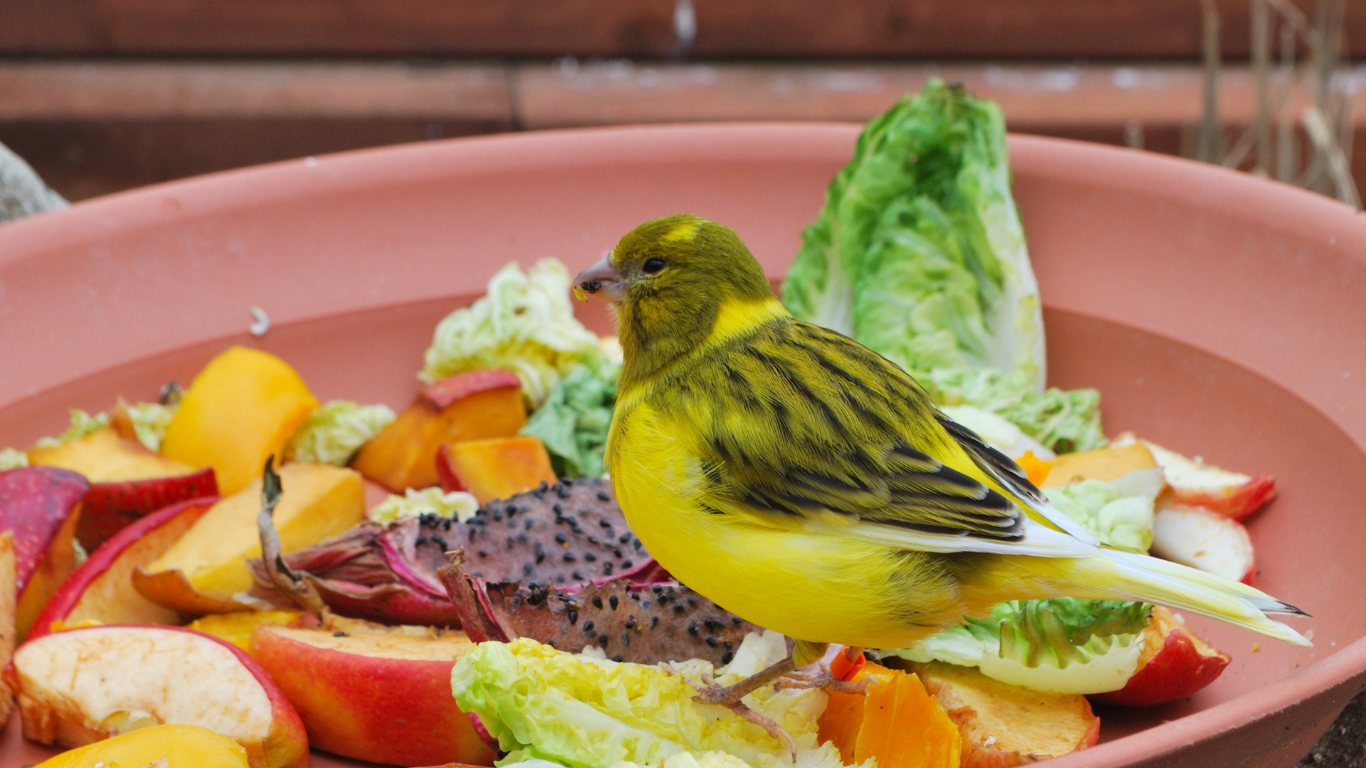
You're not alone! Birds can enjoy a surprising variety of fresh fruit and vegetables, and introducing different foods is a great way to add variety to their diet.
However, not everything that's healthy for us is safe for our feathered friends. Some everyday foods can be harmful or even poisonous to birds.
Whether you have a budgie, cockatiel, finch or parrot, this guide will help you understand which fruit and vegetables are suitable, which foods to avoid and how to prepare fresh food safely.
Table of Contents
Good Choices: Fruit and Vegetables Birds Can Eat
There are lots of fresh foods that can be included in a bird's diet. Offering a variety of colours, textures and flavours is a great way to provide nutritional variety.
Here are some popular options that are suitable for many pet bird species.
Vegetables
| Vegetable | Feeding advice |
|---|---|
| Broccoli | Can be offered raw or lightly cooked and cooled. |
| Carrot | Wash thoroughly and grate or chop into small pieces. |
| Peas | Fresh or frozen (defrosted) peas are suitable. |
| Kale | Wash well and offer in small, varied portions. |
| Spinach | Can be offered occasionally as part of a varied diet. |
| Bell peppers | Remove the stalk and seeds if preferred, then chop into manageable pieces. |
| Cucumber | Wash and slice into small pieces. |
| Sweet potato | Cook thoroughly, allow to cool and serve plain. |
| Green beans | Offer plain and cooked, never seasoned. |
| Cauliflower | Can be offered raw or lightly cooked. |
| Courgette | Wash and chop into small pieces. |
| Sweetcorn | Fresh or defrosted corn can be offered in moderation. |
Tip: Dark green and brightly coloured vegetables are particularly useful additions to many parrot diets. Try rotating different vegetables rather than relying on just one or two favourites.
Fruit
Fruit can provide vitamins, antioxidants and variety, but because it contains natural sugars, it should generally be offered in smaller quantities than vegetables.
| Fruit | Feeding advice |
|---|---|
| Apple | Remove all seeds and offer small pieces. |
| Blueberries | Wash and offer whole or halved, depending on bird size. |
| Strawberries | Wash and remove the green tops if preferred. |
| Raspberries | Wash and offer in small quantities. |
| Blackberries | Wash thoroughly before serving. |
| Grapes | Wash and cut into smaller pieces for little birds. |
| Banana | Offer small slices. |
| Mango | Remove the stone and skin, then chop the flesh. |
| Melon | Remove the seeds and rind. |
| Pear | Remove the seeds and core. |
| Pomegranate | The seeds/arils can be offered in small quantities. |
| Papaya | Remove the seeds and offer small pieces of flesh. |
Fruit should always be fresh, washed and prepared appropriately for your bird.
Important: Although the flesh of apples and many stone fruits can be suitable, the seeds and stones should not be fed. Avoid apple seeds and the stones from fruits such as cherries, peaches, apricots and plums.
Leafy Greens: Which Ones Are Suitable?
Leafy greens are a useful addition to many birds' diets, particularly parrots and other species that naturally eat vegetation.
Some suitable options include:
Kale
Spring greens
Pak choi
Dandelion leaves (from a pesticide-free source)
Watercress
Romaine lettuce
Coriander
Basil
Spinach can also be offered occasionally, but it's best not to rely on it as the main leafy green.
Always wash leaves thoroughly and check that any plants collected from outdoors have been correctly identified and are free from pesticides, animal waste and other contamination.
How Should You Prepare Fruit and Vegetables for Your Bird?
Once you've chosen something suitable, a little preparation helps make sure it's safe to serve.
Follow these simple steps:
- Wash thoroughly: Rinse all fruit and vegetables to remove dirt, bacteria and potential pesticide residues.
- Remove seeds and stones: Always remove apple seeds, fruit stones and any other potentially harmful parts.
- Chop appropriately: Cut food into manageable pieces that your bird can comfortably handle.
- Cook where necessary: Some vegetables, such as sweet potato and beans, should be cooked before serving. Allow them to cool completely.
- Keep it plain: Never add salt, butter, oils, sauces or seasonings.
- Remove leftovers: Fresh food can spoil quickly, so remove uneaten portions before they deteriorate.
Fresh drinking water should also always be available.
Foods You Should NEVER Feed Your Bird
Some foods can be extremely dangerous to birds, even in relatively small quantities.
These should never be deliberately offered as treats or included in your bird's food bowl.
| Food | Why is it dangerous? |
|---|---|
| Avocado | Highly poisonous to parrots and potentially fatal. |
| Chocolate | Contains theobromine and caffeine, which can cause serious heart and nervous system problems. |
| Coffee and caffeine | Can cause heart problems, hyperactivity, tremors and seizures. |
| Alcohol | Toxic and can cause serious nervous system problems. |
| Onions and garlic | Can damage red blood cells and cause anaemia. |
| Fruit stones and seeds | Some contain cyanide-producing compounds and should be avoided. |
| Rhubarb | Contains compounds that can be harmful to birds. |
| Mouldy or spoiled food | Can contain harmful bacteria and toxins. |
Why Is Avocado So Dangerous?
Avocado might be a healthy addition to our own diets, but it's one food that should never be given to pet birds.
Avocados contain a naturally occurring substance called persin, which can be highly toxic to birds.
Ingestion can cause serious health problems, including:
Breathing difficulties.
Heart damage.
Weakness and lethargy.
Sudden death in severe cases.
The RSPCA specifically warns that avocado is highly poisonous to parrots.
It's not worth taking any risks, so keep avocado, including the flesh, skin, stone and leaves, well away from your bird.
What If My Bird Eats Something Toxic?
If you suspect your bird has eaten something poisonous, don't wait for symptoms to appear.
Contact an avian vet or emergency veterinary practice immediately.
Try to establish:
What your bird has eaten.
Approximately how much was consumed.
When it happened.
Whether your bird is showing any unusual behaviour or symptoms.
If possible, keep the packaging or take a photograph of the food to help the vet identify the potential toxin.
Do not attempt to make your bird vomit or administer home remedies.
Birds can deteriorate quickly after exposure to certain toxins, so prompt veterinary advice is essential.
Keep Your Feathered Friend Safe
Introducing fresh fruit and vegetables is a great way to add variety to your bird's diet, encourage natural foraging behaviours and provide interesting new textures and flavours.
The most important thing is knowing what's safe, preparing food properly and understanding that different bird species have different nutritional requirements.
When in doubt, always check before offering something new.
At Smith's Pets, we're always happy to help you find suitable foods for your feathered friend. If you're looking to introduce more variety into your bird's diet or need advice on choosing the right food, pop in and speak to our team.
A little knowledge can go a long way towards keeping your bird happy, healthy and safe!