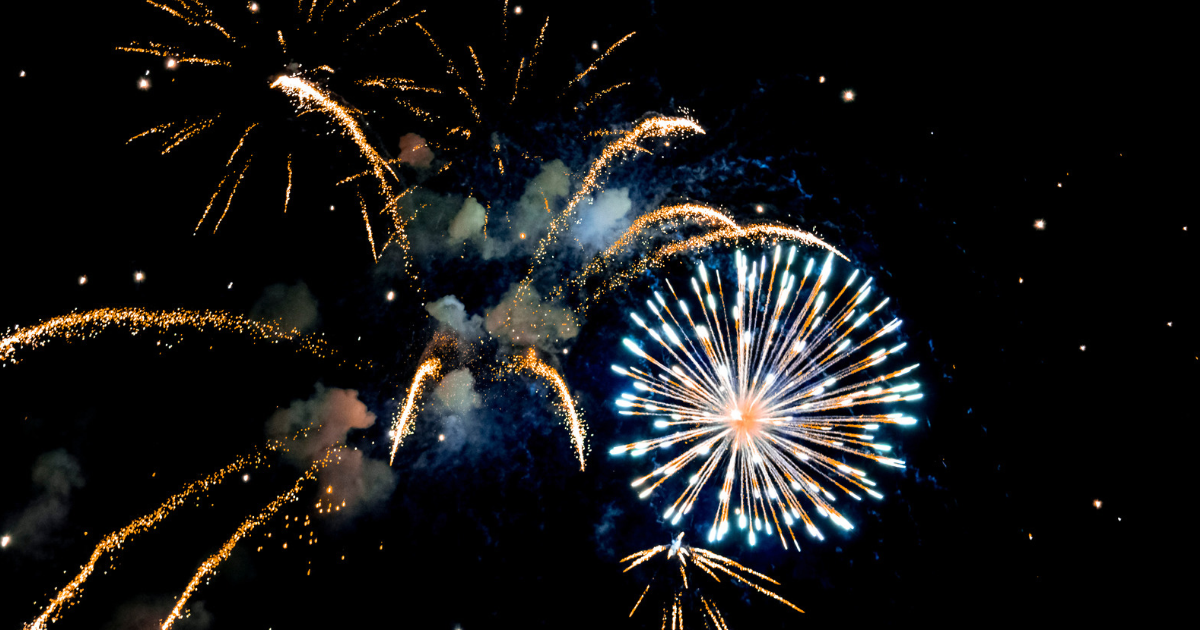
Fireworks can frighten pet birds, and the sudden bangs, whistles and flashes of light can cause stress, panic and accidental injuries. Whether you keep a budgie, cockatiel, conure, canary or another companion bird, preparing your bird’s environment before Bonfire Night can help reduce the risks.
In this guide, we explain how fireworks can affect pet birds, the signs of stress to look out for, and what you can do before, during and after fireworks displays to help your feathered friend feel safer.
Table of Contents
Can fireworks scare pet birds?
Yes. Fireworks can frighten pet birds, even if they appear calm when the first few bangs begin.
Birds can be startled by sudden, unfamiliar noises and bright flashes of light. A bird that feels threatened may panic, flap around its cage, attempt to escape or fly into nearby objects. This can result in damaged feathers, cuts or other injuries.
Fireworks can be particularly challenging because they are often unpredictable. Rather than hearing one loud bang and then settling down, your bird may experience repeated explosions, whistles and flashes over several hours or across multiple evenings.
Birds respond differently depending on their species, temperament, previous experiences and surroundings. Some may become visibly agitated, while others may freeze, become unusually quiet or hide.
Although research specifically examining fireworks and pet birds is limited, sudden loud noises and frightening experiences are recognised welfare concerns. The RSPCA also warns that frightened birds can panic and crash-land, potentially injuring themselves.
The good news is that there are practical steps you can take to prepare your bird and reduce the likelihood of panic or injury.
What are the signs that your bird is frightened by fireworks?
Not every bird will show fear in the same way. Learning what is normal for your bird makes it easier to spot changes in behaviour.
Look out for the following signs, particularly when fireworks begin or when there are sudden noises outside.
1. Frantic flapping or flying around the cage
A startled bird may flap its wings vigorously, launch itself from a perch or repeatedly attempt to fly away from the noise. In a confined cage, this can cause collisions with the bars, toys, perches or other cage furnishings.
If your bird panics, avoid immediately reaching into the cage to grab it. Wait for the bird to settle where possible, then approach slowly and calmly.
2. Hiding, freezing or becoming unusually quiet
Some birds respond to fear by becoming very still or retreating to a familiar hiding place. Your bird might stop playing, become less vocal or appear unusually withdrawn. While these behaviours can occur in response to a frightening event, they can also indicate illness.
Pay attention to whether your bird returns to its normal behaviour once the disturbance has passed.
3. Increased calling or unusual vocalisations
Some birds may call more frequently, squawk loudly or make sounds you do not usually hear.
Others may become quieter than normal. A change in vocalisation is not necessarily a sign of fear on its own, but it is worth monitoring alongside other behavioural changes.
4. Changes in eating or drinking
A frightened bird may temporarily show less interest in food or water. Check that your bird continues eating and drinking normally after the fireworks have stopped. A bird that stops eating, produces noticeably fewer droppings or remains withdrawn should not simply be assumed to be stressed.
5. Panic-related injuries
One of the biggest concerns is what happens when a bird attempts to escape. A panicking bird may collide with cage bars, fall from a perch or injure its wings, feet or head. Birds housed together may also react to one another’s panic.
For outdoor aviaries, frightened birds may fly into the mesh or become distressed by repeated bangs and flashes.
Never assume that a bird is unharmed simply because it settles down afterwards. Check for signs of injury and seek veterinary advice if you notice anything unusual.
How to Prepare Your Bird for Bonfire Night
A little preparation can help reduce the risk of your bird becoming frightened or injuring itself during fireworks. Use this quick checklist before the displays begin.
1. Create a calm, safe space
- Keep your bird in a familiar, secure environment.
- Close windows and doors to reduce noise and prevent escapes.
- Keep food, fresh water and familiar perches easily accessible.
2. Reduce noise and flashes
- Close curtains or blinds to reduce sudden flashes of light.
- Play familiar music or television quietly if your bird is comfortable with it.
- Avoid loud background noise, which could add to the disturbance.
3. Keep things familiar
- Leave familiar toys and cage furnishings in place.
- Avoid rearranging the cage or introducing new toys on the night.
- Don't force interaction or handling if your bird seems frightened.
4. Take extra care with outdoor aviaries
- Check that doors, locks and mesh are secure.
- Make sure your birds have access to suitable shelter.
- Never cover an aviary in a way that restricts ventilation or causes overheating.
- If you are considering moving your birds indoors, plan ahead and consider their species, normal environment and temperature needs.
5. Be prepared for a fright
- Stay calm and move slowly if your bird panics.
- Give your bird space to settle rather than trying to grab it.
- Check for injuries and monitor its behaviour afterwards.
- Keep your vet's contact details, including an out-of-hours number, handy.
Remember: Every bird is different. If your bird has previously experienced severe panic during fireworks, speak to an avian vet before Bonfire Night to plan the safest approach.
What if you keep birds in an outdoor aviary?
Outdoor birds can be exposed to fireworks more directly, particularly when displays take place nearby.
Before fireworks season:
Check the aviary structure. Inspect doors, locks, mesh and any potential escape points.
Provide suitable shelter. Ensure birds have access to protected areas where they can retreat from wind, rain and visual disturbances.
Check for hazards. Remove damaged furnishings or objects that could cause injury if birds panic.
Consider the location. If you know a nearby display is planned, assess how exposed the aviary will be to noise and flashes.
Avoid last-minute changes. Moving birds or altering their surroundings suddenly can introduce additional stress.
Do not completely cover an aviary with blankets or tarpaulins without considering ventilation, temperature, moisture, stability and the birds’ access to safe movement. An unsuitable cover can create additional hazards.
What should you do if your bird panics during fireworks?
If your bird becomes frightened, focus on preventing further injury and allowing it to recover.
- Stay calm. Move slowly and avoid shouting or making sudden movements.
- Reduce the disturbance. Close windows and curtains if safe to do so, and lower any unnecessary background noise.
- Avoid grabbing the bird. Give it time to settle before approaching, unless immediate intervention is necessary to prevent serious harm.
- Check its surroundings. Look for broken toys, damaged perches or other hazards that could cause further injury.
- Observe your bird carefully. Once it has settled, check its breathing, balance, movement and general behaviour.
- Contact a vet if you suspect injury or illness. Do not wait for the next day if your bird has concerning symptoms.
If your bird is injured, bleeding, struggling to breathe or unable to perch normally, seek veterinary advice urgently.
Can stress from fireworks be dangerous for birds?
Severe fright can lead to panic-related injuries, and prolonged stress can affect normal behaviour. Birds that injure themselves while trying to escape may require urgent treatment.
However, not every frightened bird will develop a medical problem, and it is not possible to predict an individual bird’s response to fireworks.
The important thing is to reduce avoidable risks, monitor your bird afterwards and seek veterinary help if anything seems abnormal.
Do not give your bird human medication, sedatives or calming supplements unless these have been specifically prescribed or recommended by a qualified veterinary professional for that bird.
Can you help your bird become less frightened of fireworks?
If your bird becomes distressed every Bonfire Night, preparation may need to start well before the next fireworks season.
A qualified avian vet can help rule out medical issues and advise on an appropriate management plan. For some birds, a suitably qualified bird behaviourist may also be helpful.
Gradual sound desensitisation may be considered in some cases, but it must be introduced carefully, at a level that does not frighten the bird. Playing loud fireworks recordings to force a bird to get used to them can make fear worse.
Never deliberately expose your bird to fireworks or loud recordings to test its reaction.
For birds with a history of severe panic, seek professional advice early rather than waiting until the next display.
Should I cover my bird’s cage on Bonfire Night?
A suitable cage cover may help reduce visual disturbances for some birds, but it will not block all noise and is not appropriate for every bird. Never cover a cage in a way that restricts ventilation or causes overheating. If your bird becomes more frightened when covered, do not force it.
Should I bring my outdoor bird inside during fireworks?
Bringing a bird into a suitable indoor environment may reduce its exposure to noise and flashes, but moving an outdoor bird suddenly can create other risks, including temperature changes and stress. Plan ahead and seek species-specific advice if you are unsure whether indoor accommodation is appropriate.
Can fireworks cause a bird to die from fright?
Severe fear can lead to dangerous panic-related behaviour and injury. In certain group-housed birds, particularly poultry, crowding during a fear response can also be fatal. However, it would be misleading to suggest that every frightened companion bird is at risk of dying from fright alone. The priority is to reduce panic, prevent injuries and seek veterinary advice when needed.
When is the best time to prepare my bird for Bonfire Night?
Ideally, start preparing several days or weeks beforehand, especially if your bird has previously been frightened by fireworks. This gives you time to assess its environment, make any necessary changes gradually and seek veterinary advice if required.
Should I give my bird a calming supplement before fireworks?
Do not give your bird a calming supplement or medication without checking with an avian vet. Products that are suitable for one species may not be appropriate for another, and some substances can be harmful to birds. If your bird has a history of severe distress, discuss a plan with your vet before fireworks season.