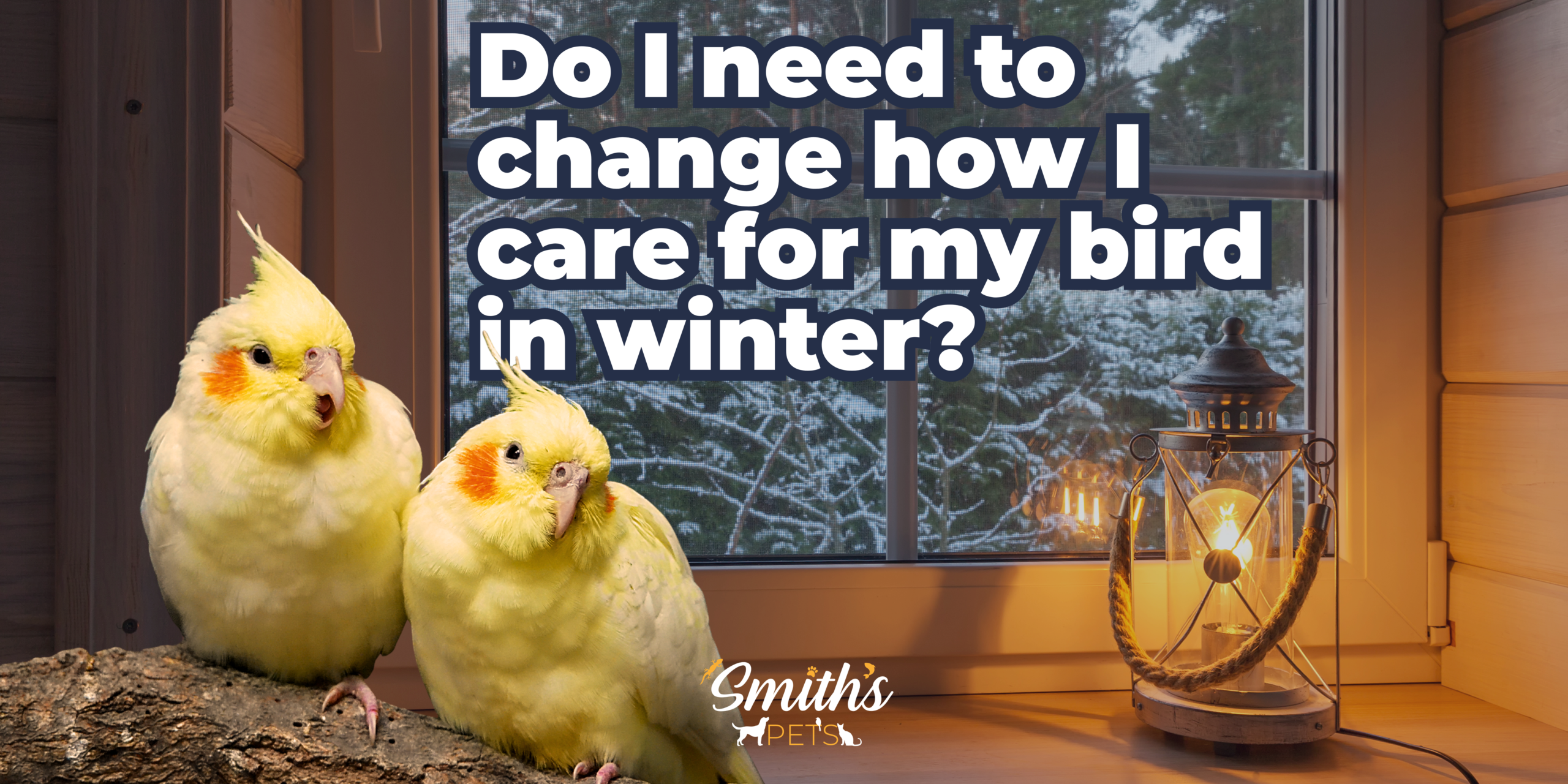
As the temperatures drop, the days get shorter and we start switching on the central heating, it's worth thinking about how these seasonal changes might affect our feathered friends.
While birds kept indoors don't necessarily need a completely different care routine during winter, there are a few things owners should be paying closer attention to.
From keeping their environment comfortable to preventing boredom during the darker months, a little preparation can go a long way towards keeping your bird happy and healthy.
Whether you share your home with a budgie, cockatiel, conure or larger parrot, we've put together a winter bird care checklist to help you prepare for the colder months.
Keeping Your Bird Warm Without Overheating
One of the most important things to consider during winter is your bird's environment.
Although many pet birds can tolerate a range of temperatures, sudden changes and cold draughts can cause problems, particularly for birds accustomed to living in a heated home.
The goal isn't necessarily to make your bird's room warmer, but to keep the temperature consistent and appropriate for their species.
Things to Check
Room temperature: Monitor the temperature around your bird's enclosure, particularly overnight when heating may be switched off.
Draughts: Keep cages away from frequently opened doors, poorly insulated windows and cold airflow.
Radiators: Avoid positioning cages directly beside radiators or other heat sources.
Ventilation: Your bird still needs fresh air, even during winter. Avoid completely covering cages or blocking ventilation.
Behaviour: Watch for unusual fluffing, shivering, lethargy or changes in appetite, as these may indicate illness or discomfort.
🐦 Winter Care Essential: Digital Thermometer and Hygrometer
Not sure how warm or dry your bird's environment actually is?
A digital thermometer and hygrometer is a useful addition to your bird care setup, particularly during winter when central heating can affect both room temperature and humidity.
By monitoring these conditions, you can identify sudden temperature changes and excessively dry air, helping you maintain a more comfortable environment for your feathered friend.
A Note About Heating
Birds have extremely sensitive respiratory systems.
Some household heating appliances and non-stick coatings can release fumes that are dangerous to birds, particularly those containing PTFE.
Always check that heating equipment is suitable for use around birds, and avoid scented candles, aerosol sprays and plug-in air fresheners near their enclosure.
Fresh Water Is Just as Important in Winter
It's easy to associate hydration with hot summer days, but your bird still needs constant access to fresh drinking water throughout winter.
Central heating can make indoor environments particularly dry, so maintaining good hydration remains important.
Your Winter Water Checklist
- Provide fresh drinking water every day.
- Check bowls regularly for food, feathers and droppings.
- Clean drinking containers thoroughly using bird-safe cleaning products.
- Keep spare bowls available so dirty ones can be replaced easily.
- For outdoor birds, check drinking water regularly to ensure it hasn't frozen.
Stainless steel bowls are a practical option because they're durable and easy to clean.
Winter Care Essential: Stainless Steel Bird Bowls
Keeping your bird's drinking water clean should be part of their daily routine, whatever the weather.
Does Your Bird Need a Different Diet in Winter?
You may think that like some small animals and other wild birds that winter diets for birds inlcude fattening themselves up . But our feathered friends want you to know that they dont want fatty food, they want constiency.
What Should You Be Feeding?
Your bird's nutritional requirements will depend on their species, age, health and activity levels.
For many companion parrots and parakeets, a suitable diet may include:
- A nutritionally balanced pellet or appropriately formulated food.
- Fresh vegetables suitable for their species.
- Small amounts of suitable fruit.
- Seeds and treats in appropriate quantities.
Not all birds have the same dietary requirements. Budgies, cockatiels, finches and larger parrots can have very different nutritional needs.
What About Outdoor Birds?
Birds living in outdoor aviaries may require additional energy during particularly cold weather.
However, any dietary adjustments should be appropriate for the species and individual bird.
If you're unsure whether your bird needs additional food during winter, speak to an avian veterinarian.
🐦 Winter Care Essential: Species-Appropriate Bird Food
A healthy bird starts with a balanced diet!
At Smith's Pets, we stock bird food suitable for a variety of species, helping you find the right nutrition for your feathered friend.
Bath Time Doesn't Stop Just Because It's Cold!
Does your bird enjoy a good splash around?
Bathing is an important part of normal feather care, and winter doesn't mean your bird should miss out.
However, the colder weather does mean owners need to be a little more mindful of when and where their birds bathe.
Safe Winter Bathing Tips
Choose the right time
Offer bathing opportunities during the morning or early afternoon, allowing plenty of time for feathers to dry before temperatures drop in the evening.
Keep the room comfortable
Make sure your bird can dry naturally in a warm, draught-free environment.
Let your bird decide
Some birds love splashing in shallow water, while others prefer a gentle mist. Never force a bird to bathe.
Avoid hair dryers
Allow your bird to preen and dry naturally rather than using hair dryers or direct heaters.
What About Central Heating?
Central heating can reduce indoor humidity, creating a drier environment that may affect your bird's comfort and feather condition.
A hygrometer measures the amount of moisture in the air, helping you identify when humidity levels become too low.
Many digital hygrometers also include a built-in thermometer, allowing you to monitor both conditions with one device.
If your home becomes particularly dry, consider safe ways to manage humidity while avoiding excessive moisture and poorly maintained humidifiers.
🐦 Winter Care Essential: Bird Baths and Misting Bottles
Whether your bird enjoys splashing around or prefers a gentle mist, providing suitable bathing opportunities helps support their natural feather care routine.
Keeping Your Bird Entertained During the Darker Months
Winter isn't just about keeping your bird physically comfortable.
Their mental wellbeing matters just as much!
As the days become shorter and the weather gets colder, it's easy for daily routines to change.
However, birds are intelligent, active animals that need opportunities to explore, forage, play and exercise throughout the year.
Without enough stimulation, some birds may develop behavioural problems associated with boredom or frustration.
Five Ways to Prevent Winter Boredom
1. Introduce foraging activities
In the wild, birds spend a significant amount of time searching for food.
Foraging toys encourage this natural behaviour by allowing birds to investigate, manipulate objects and work for part of their daily food.
2. Rotate their toys
You don't need to purchase new toys every week!
Rotating existing toys can help maintain your bird's interest and provide variety.
3. Offer different natural perches
Perches with different widths, shapes and textures encourage movement and help support healthy feet.
Natural wooden perches can provide more variety than identical smooth dowels.
4. Maintain supervised exercise
If your bird normally enjoys time outside their enclosure, try to maintain this routine during winter.
Always ensure the room is bird-safe, with windows and doors closed, ceiling fans switched off and other pets kept separate.
5. Spend quality time together
Training sessions, interaction and play are all valuable forms of enrichment.
Even a few short sessions throughout the day can provide opportunities for mental stimulation.
Don't Forget Their Sleep!
Shorter days can also affect your bird's routine.
Most companion birds benefit from a consistent sleep schedule with sufficient uninterrupted darkness and quiet.
Avoid keeping your bird awake late into the evening with bright lights, television or household activity.
🐦 Winter Care Essential: Foraging Toys and Natural Perches
Looking for ways to keep your bird entertained?
From foraging toys to natural wooden perches, providing a varied environment encourages your bird to stay active and engage in natural behaviours.
Preparing Outdoor Aviaries for Winter
If you keep birds in an outdoor aviary, winter preparation is particularly important.
Not every bird species is suitable for outdoor housing during colder weather, and birds accustomed to indoor temperatures should never be moved directly outside during winter.
For birds that are appropriately acclimatised to outdoor living, their environment needs to provide adequate protection from rain, wind and low temperatures.
Your Outdoor Aviary Winter Checklist
Shelter
Provide a dry, weatherproof and draught-free sheltered area where birds can retreat from poor weather.
Weather protection
Inspect roofing, panels and aviary structures for damage. Weatherproof panels can help protect exposed areas while maintaining ventilation.
Food and water
Position food and water in sheltered areas and check drinking water regularly for freezing.
Perches
Provide suitable natural wooden perches in protected locations. Avoid exposed metal perches that can become extremely cold.
Cleanliness
Remove damp bedding, wet food and droppings regularly to reduce the risk of mould and bacterial growth.
Security
Check aviary mesh, doors and fixings for damage, particularly following strong winds or storms.
Emergency arrangements
Have a suitable alternative environment available if severe weather makes the aviary unsafe.
Remember that outdoor housing requirements vary significantly between species. If you're uncertain whether your birds can safely remain outdoors during winter, seek advice from an avian veterinarian.
Your Quick Winter Bird Care Checklist ✅
Before the colder weather settles in, make sure you've checked the following:
☐ My bird's enclosure is positioned away from cold draughts.
☐ I'm monitoring both the temperature and humidity around my bird's enclosure.
☐ Fresh drinking water is available throughout the day.
☐ My bird is receiving a balanced, species-appropriate diet.
☐ I'm providing safe bathing opportunities.
☐ I've considered whether central heating is making the room too dry.
☐ My bird has access to suitable enrichment toys and activities.
☐ I'm maintaining opportunities for exercise and interaction.
☐ My bird has a consistent sleep routine.
☐ Any outdoor aviaries are protected from poor weather.
When Should You Be Concerned About Your Bird?
Birds are particularly good at hiding signs of illness, which means changes in their normal behaviour shouldn't be ignored.
Contact an avian veterinarian promptly if you notice:
- Unusual lethargy or prolonged fluffing.
- Changes in breathing or respiratory noises.
- Reduced appetite or refusal to drink.
- Significant changes in droppings.
- Weakness, shivering or difficulty balancing.
- Any sudden changes in their usual behaviour.
These symptoms aren't necessarily caused by cold temperatures and may indicate an underlying health problem.
Never assume a bird is simply feeling cold if they appear unwell.
Need a Hand Preparing Your Bird for Winter? 🦜
At Smith's Pets, we know how important it is to provide the right environment, nutrition and enrichment for your feathered friends.
Whether you're looking for suitable bird food, natural perches, foraging toys, hygrometers or bathing accessories, our team is here to help you find products appropriate for your bird's needs.
Pop into our Portrack Lane store and speak to our team about your bird's winter care routine.
And if you're looking for more advice on caring for your pets throughout the year, don't forget to explore our Pet Care Hub, where you'll find helpful articles, care guides and practical tips for responsible pet ownership.